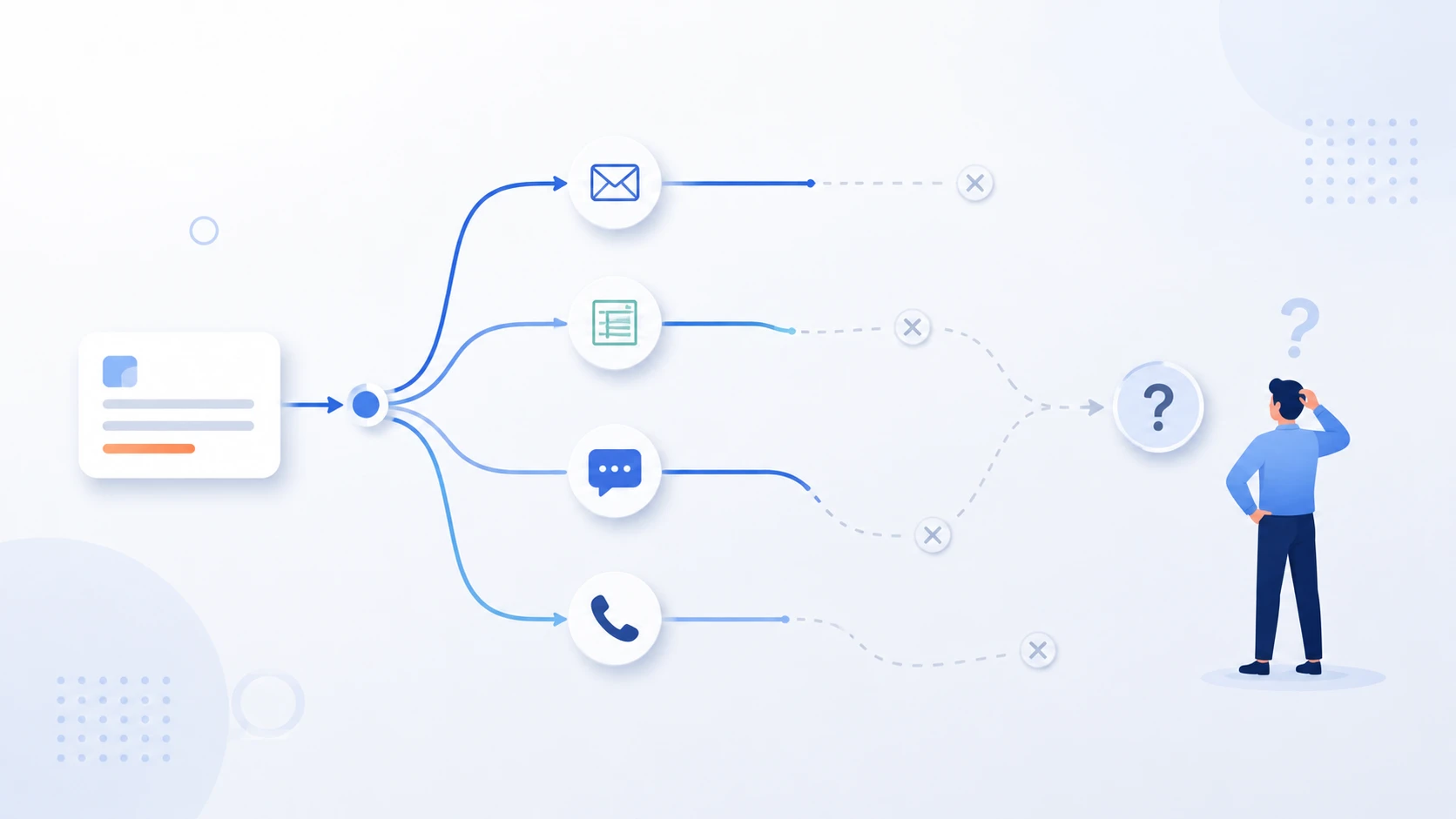
In most companies, work doesn’t start with tasks, but with requests. A request can come from sales, customer support, logistics, or management, but in essence it always marks the beginning of some process that should lead to a concrete result.
In practice, that flow is rarely clearly defined. For example, the sales team sends a request to operations, operations brings in logistics, and logistics checks the stock and sends the information back. Along the way, additional actors get involved, emails are exchanged, Excel spreadsheets are updated, and parallel conversations are held. Each next step depends on who is currently available and where the information happens to be.
In the end, the request gets handled. But the way that result was reached often remains invisible.
In practice, that flow is rarely clearly defined. For example, the sales team sends a request to operations, operations brings in logistics, and logistics checks the stock and sends the information back. Along the way, additional actors get involved, emails are exchanged, Excel spreadsheets are updated, and parallel conversations are held. Each next step depends on who is currently available and where the information happens to be.
In the end, the request gets handled. But the way that result was reached often remains invisible.
Where the process actually gets lost
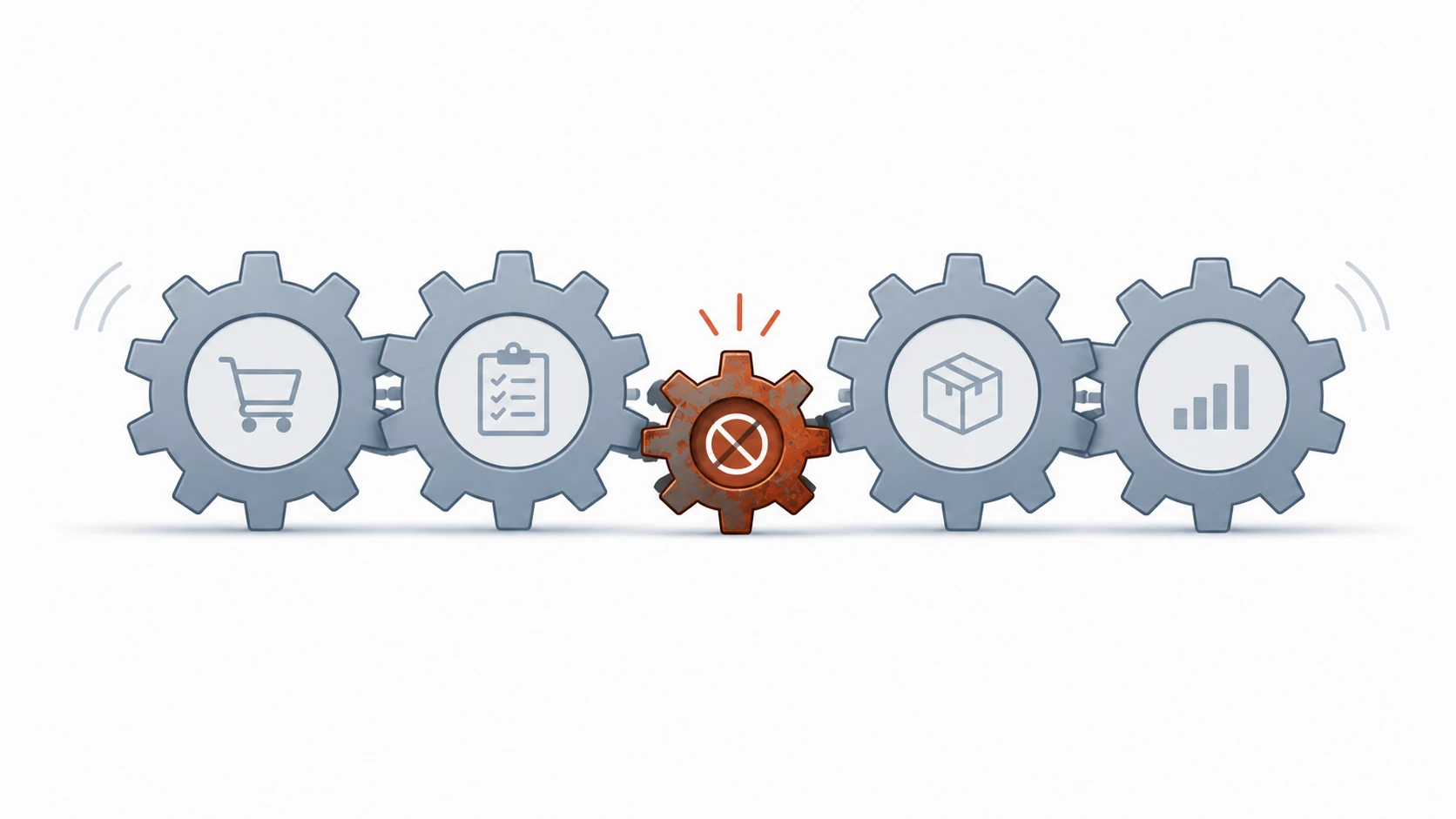
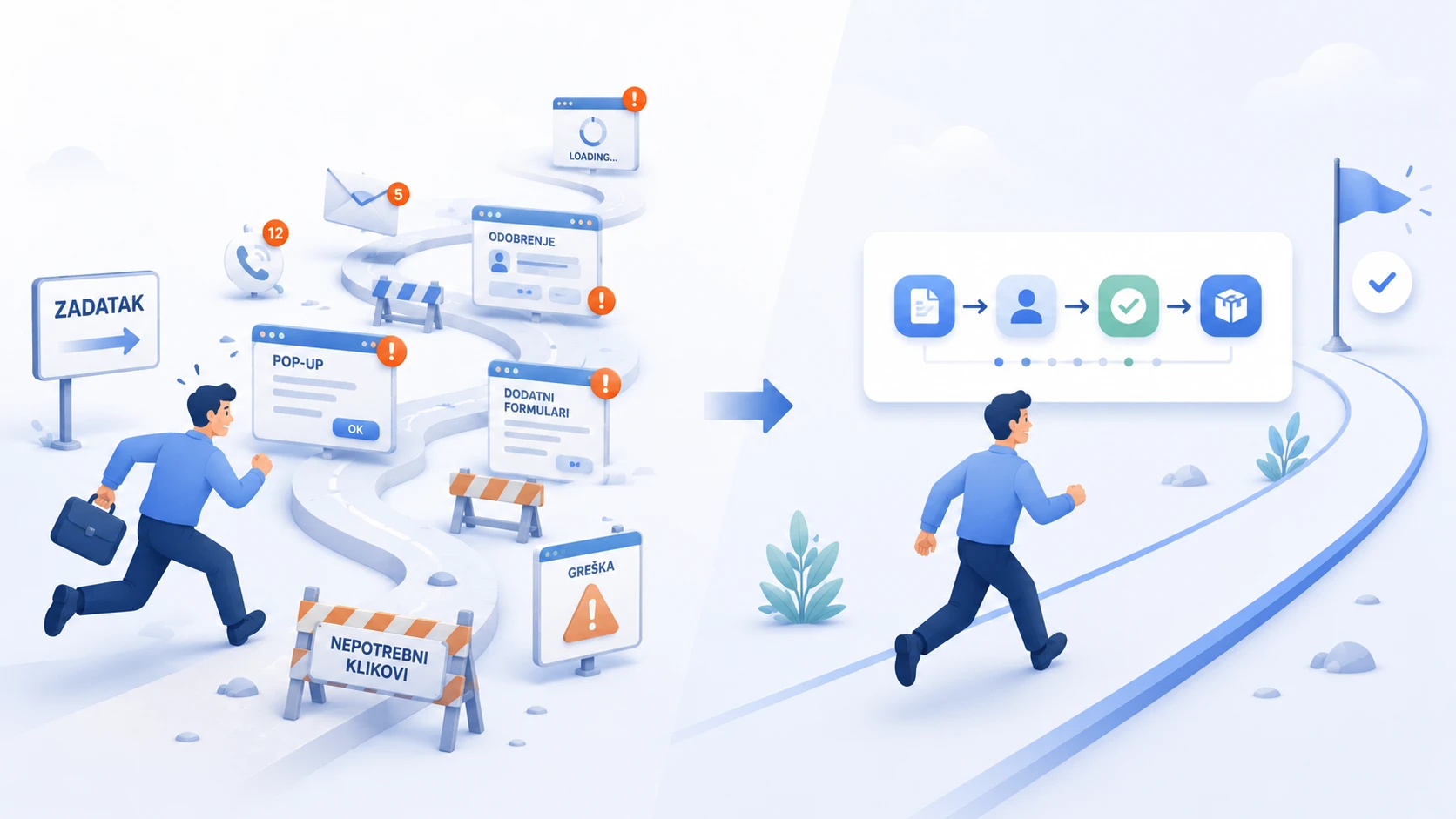
The problem doesn’t arise at a single moment, but through a series of small interruptions in the flow of the process. Information is delayed between teams, responsibility isn’t clearly defined, and the status of a request isn’t transparent. In an environment like this, people spend a significant part of their time trying to find out where something is and who needs to act.
Requests get sent back for rework, skip steps, or get duplicated. Communication spreads across multiple channels, and every new situation is handled from scratch. Even though a solution is reached in the end, the process behind it remains inefficient and hard to measure.
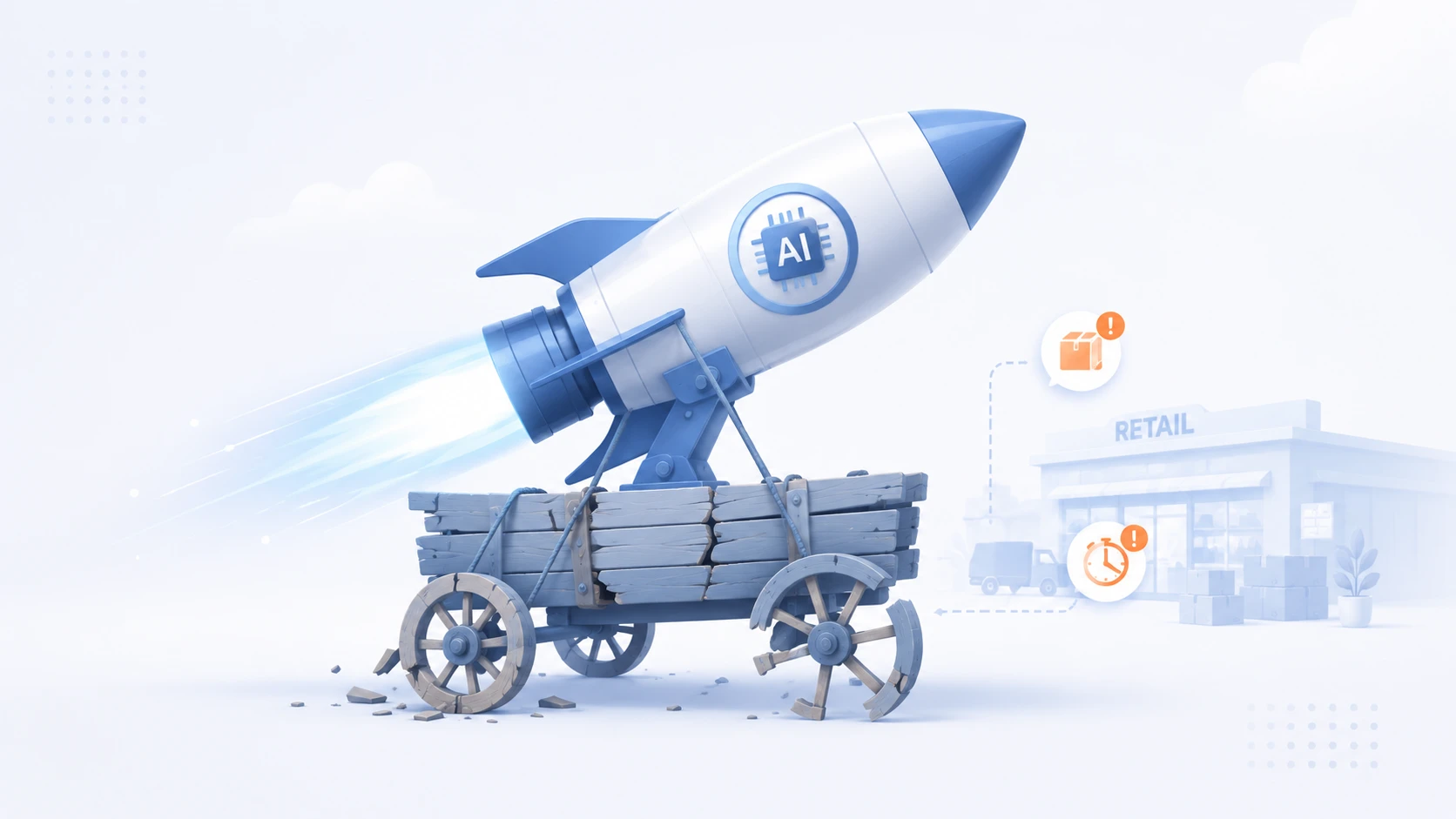
This way of working becomes especially apparent as the company grows. What once worked through direct communication becomes complex and slow, and operations start to slow down the entire system.
Requests get sent back for rework, skip steps, or get duplicated. Communication spreads across multiple channels, and every new situation is handled from scratch. Even though a solution is reached in the end, the process behind it remains inefficient and hard to measure.
This way of working becomes especially apparent as the company grows. What once worked through direct communication becomes complex and slow, and operations start to slow down the entire system.
What changes when the flow of a request is visible
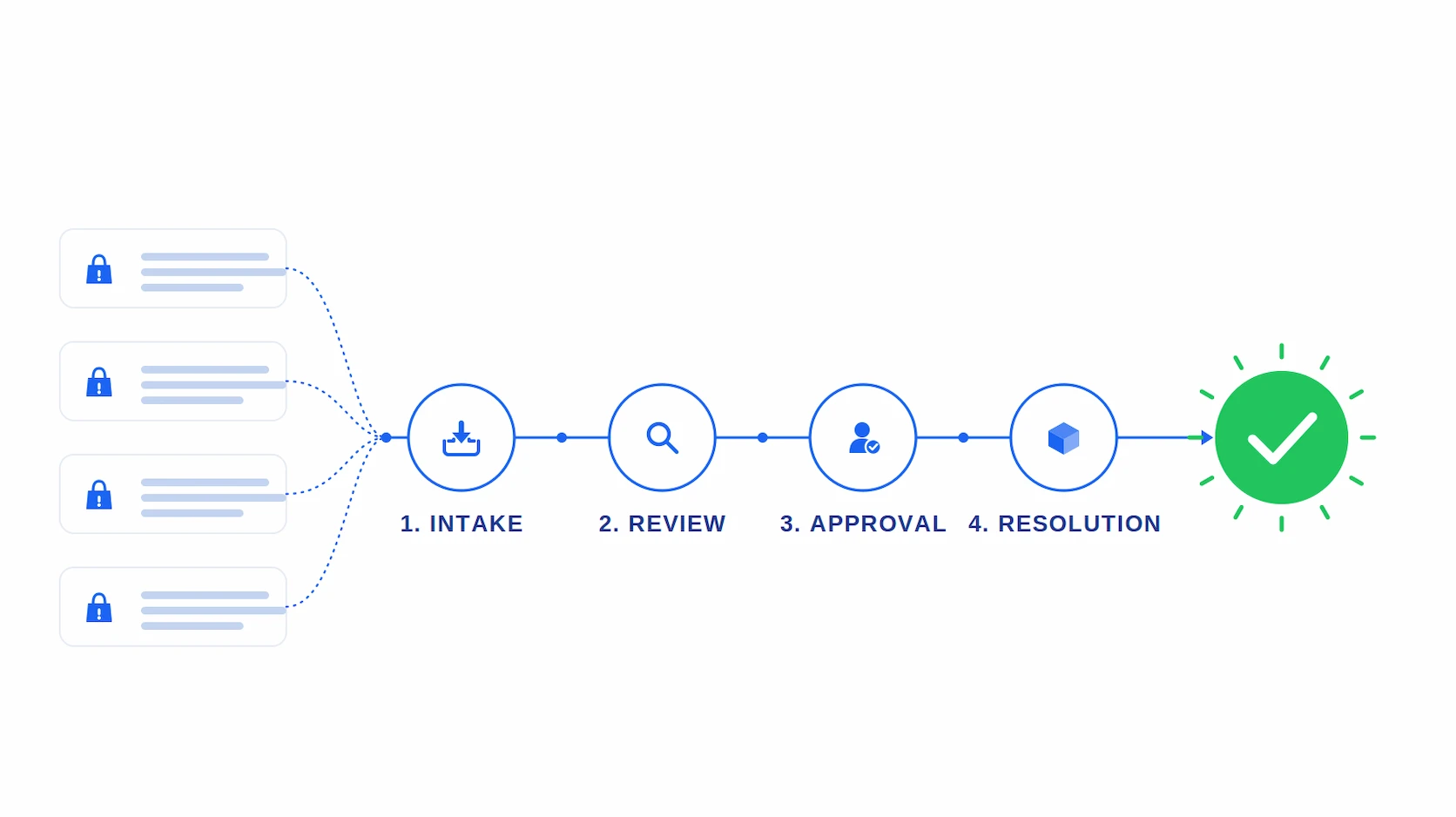
When the flow of a single request is clearly defined and set up as a process, every stage gets its place, and every activity gets its owner. Information no longer circulates through different channels, but resides within a single system that tracks the entire flow from start to finish.
In an environment like this, at any moment it’s clear where the request is, who is responsible for the next step, and what is needed to complete the process. This reduces the need for extra communication, speeds up decision-making, and increases the reliability of the whole system.
This is exactly the approach behind modern process management, where the focus isn’t on individual tasks, but on the overall workflow. Solutions like the sSuite platform allow every request to have a clear path, a visible status, and controlled execution, without relying on improvisation.
When a process becomes visible, it stops depending on individuals and becomes part of a system that can be improved, measured, and scaled.
Similar problems and the ways they’re solved can also be seen through concrete real-world examples, available among our references. If you recognize yourself in situations where requests “get lost in communication,” the problem probably isn’t the volume of work, but the way the processes function.
In an environment like this, at any moment it’s clear where the request is, who is responsible for the next step, and what is needed to complete the process. This reduces the need for extra communication, speeds up decision-making, and increases the reliability of the whole system.
This is exactly the approach behind modern process management, where the focus isn’t on individual tasks, but on the overall workflow. Solutions like the sSuite platform allow every request to have a clear path, a visible status, and controlled execution, without relying on improvisation.
When a process becomes visible, it stops depending on individuals and becomes part of a system that can be improved, measured, and scaled.
Similar problems and the ways they’re solved can also be seen through concrete real-world examples, available among our references. If you recognize yourself in situations where requests “get lost in communication,” the problem probably isn’t the volume of work, but the way the processes function.