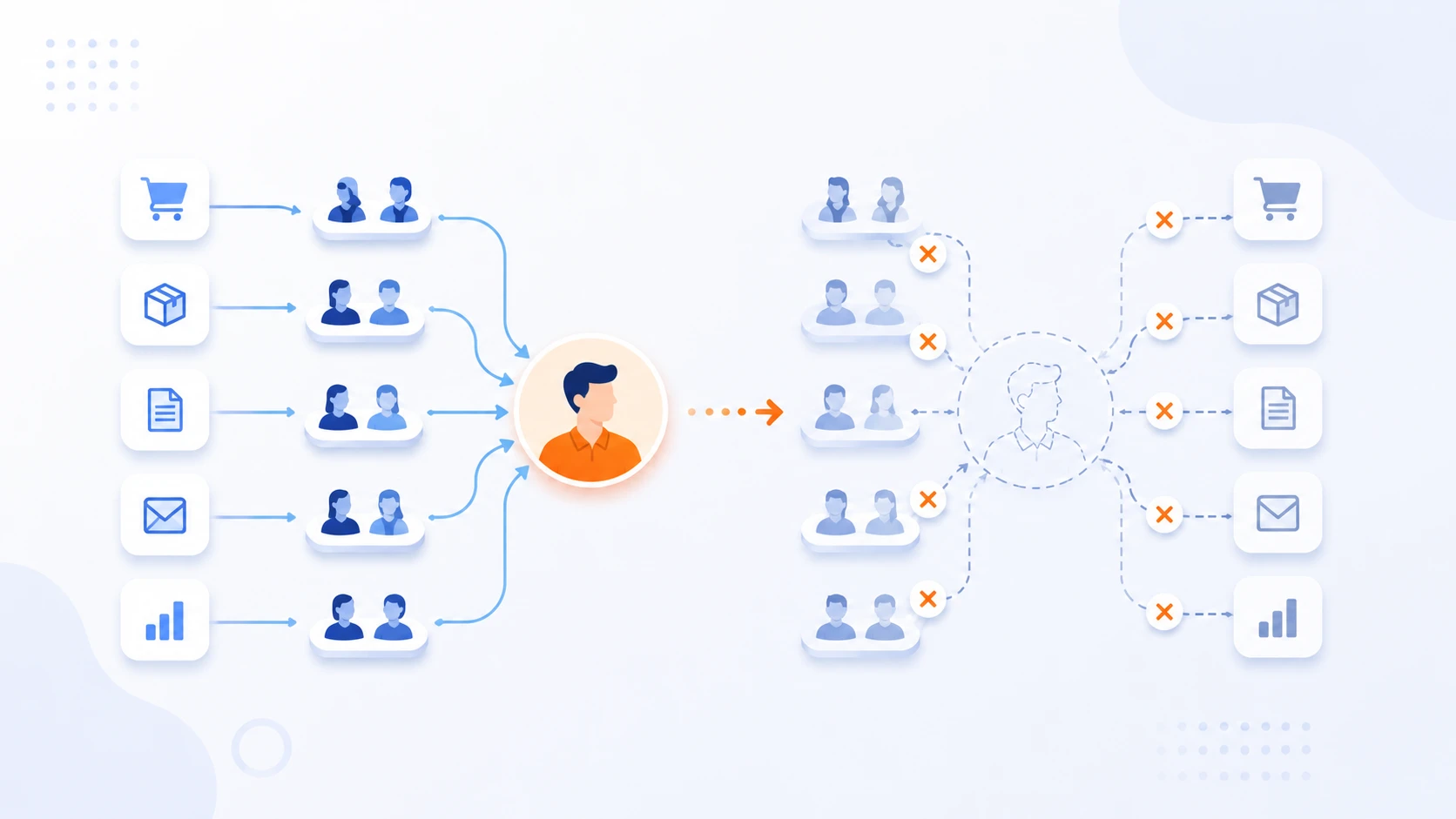
Petar in logistics knows everything. He knows which supplier will run late if no one sends them a reminder on Thursday. He knows the warehouse in Novi Sad doesn’t update the system until noon, so you have to call directly. He knows where to find the delivery note that “vanished” somewhere between sales and finance.
Petar is irreplaceable. And that’s exactly where your problem begins.
As long as Petar is around, everything works. The moment he takes a two-week vacation, delays start, orders fall through the cracks between departments, and the manager spends the morning putting out fires that Petar would normally handle before his first coffee. No one else knows Petar’s shortcuts, because they aren’t written down anywhere. They exist only in his head.
This isn’t praise for Petar. It’s a diagnosis.
Every company has its own Petar. In retail, it’s the person who knows the status of every complaint by heart. In e-commerce, it’s the one who manually reconciles inventory across three systems because the automatic sync “doesn’t always work.” In logistics, it’s the dispatcher who keeps the entire delivery chain in their own head and on their personal phone.
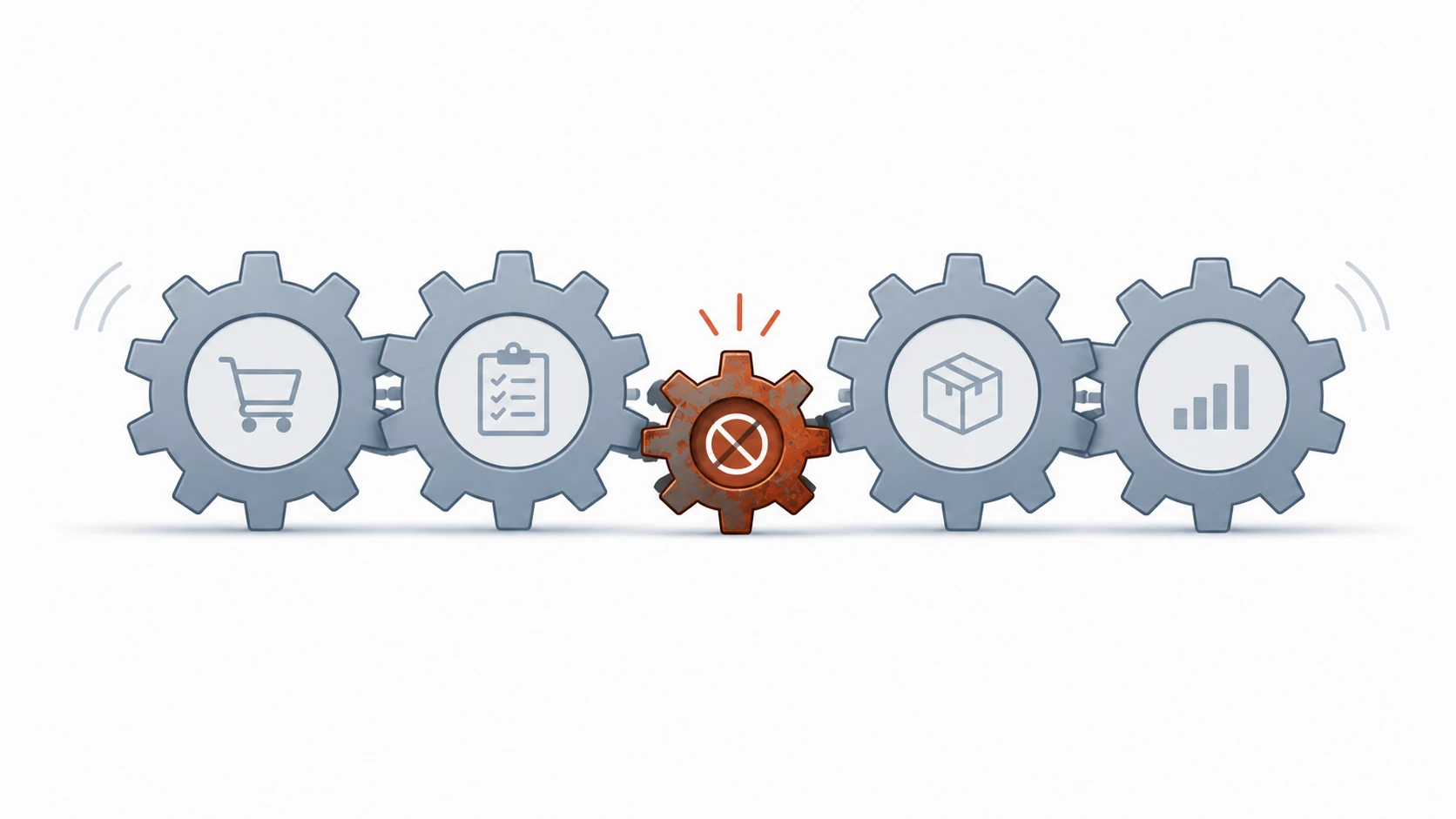
Management sees these people as an asset. In reality, they’re the clearest symptom that the company has no proper system in place.
When a single person becomes an irreplaceable link in the operational chain, it means the process they handle isn’t standardized, visible, or transferable. The knowledge lives in one individual instead of being built into the way the company works. And as long as that’s the case, the business can’t grow in any serious way. It can only hope that Petar won’t leave.
Petar is irreplaceable. And that’s exactly where your problem begins.
As long as Petar is around, everything works. The moment he takes a two-week vacation, delays start, orders fall through the cracks between departments, and the manager spends the morning putting out fires that Petar would normally handle before his first coffee. No one else knows Petar’s shortcuts, because they aren’t written down anywhere. They exist only in his head.
This isn’t praise for Petar. It’s a diagnosis.
Every company has its own Petar. In retail, it’s the person who knows the status of every complaint by heart. In e-commerce, it’s the one who manually reconciles inventory across three systems because the automatic sync “doesn’t always work.” In logistics, it’s the dispatcher who keeps the entire delivery chain in their own head and on their personal phone.
Management sees these people as an asset. In reality, they’re the clearest symptom that the company has no proper system in place.
When a single person becomes an irreplaceable link in the operational chain, it means the process they handle isn’t standardized, visible, or transferable. The knowledge lives in one individual instead of being built into the way the company works. And as long as that’s the case, the business can’t grow in any serious way. It can only hope that Petar won’t leave.
Scaling the business is when Petar's limit becomes visible
Imagine your order volume triples over the next year. A great scenario for any business — but a problematic one if your entire operation rests on individual shortcuts.
Petar can no longer answer every call. You hire someone new, but the new person doesn’t know Petar’s procedures, because they were never written down. You hire another. And another. Every new employee goes through months of informal learning and mistakes until they too become a little Petar in their own area. The headcount grows, but the problem stays the same.
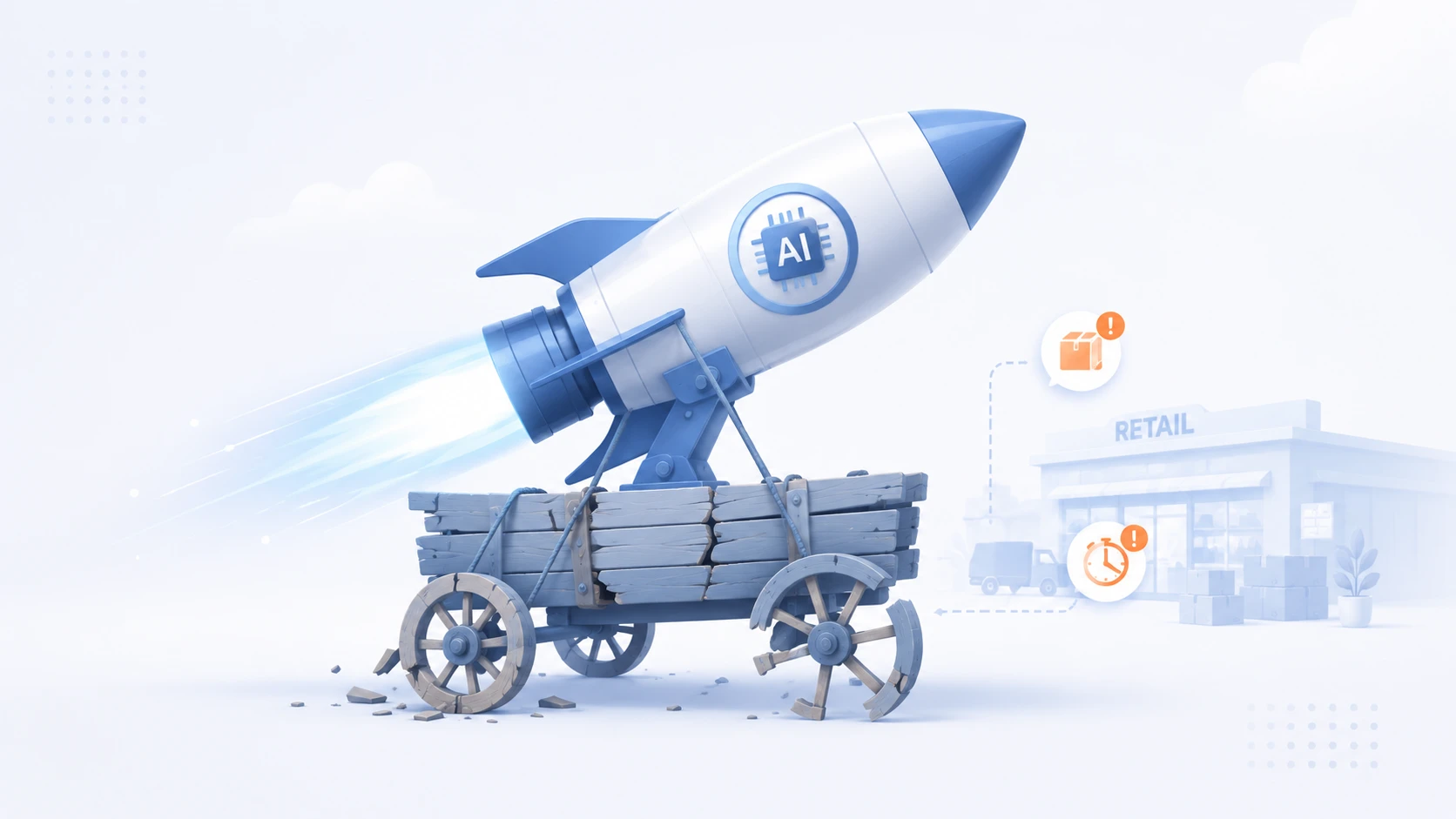
This isn’t theory. Companies that try to solve scaling by hiring more people without changing their process architecture don’t get more capacity. They get more chaos — just a more expensive kind.
Petar can no longer answer every call. You hire someone new, but the new person doesn’t know Petar’s procedures, because they were never written down. You hire another. And another. Every new employee goes through months of informal learning and mistakes until they too become a little Petar in their own area. The headcount grows, but the problem stays the same.
This isn’t theory. Companies that try to solve scaling by hiring more people without changing their process architecture don’t get more capacity. They get more chaos — just a more expensive kind.
What's really happening between departments
When there’s no clearly defined workflow, information travels through informal channels. Sales emails procurement. Procurement pings the warehouse on Viber, and the warehouse sends a scanned delivery note back to finance. So every department does its part, but no one sees the whole picture.
On a small scale, this eats up a few minutes per order and seems negligible. As the business grows, those minutes turn into hours, and the hours turn into systemic bottlenecks. Research shows that employees spend up to 40% of their working time on repetitive manual tasks that should be automated. In practice, that means nearly half of your people’s workday goes into coordination rather than creating value.
On a small scale, this eats up a few minutes per order and seems negligible. As the business grows, those minutes turn into hours, and the hours turn into systemic bottlenecks. Research shows that employees spend up to 40% of their working time on repetitive manual tasks that should be automated. In practice, that means nearly half of your people’s workday goes into coordination rather than creating value.
What the solution looks like in practice
Planeta Sport faced exactly this challenge with its complaint-handling processes, which depended on who happened to be present and who knew the next step. Every complaint was a small project that Petar had to run manually — through emails, calls, and personal arrangements between departments.
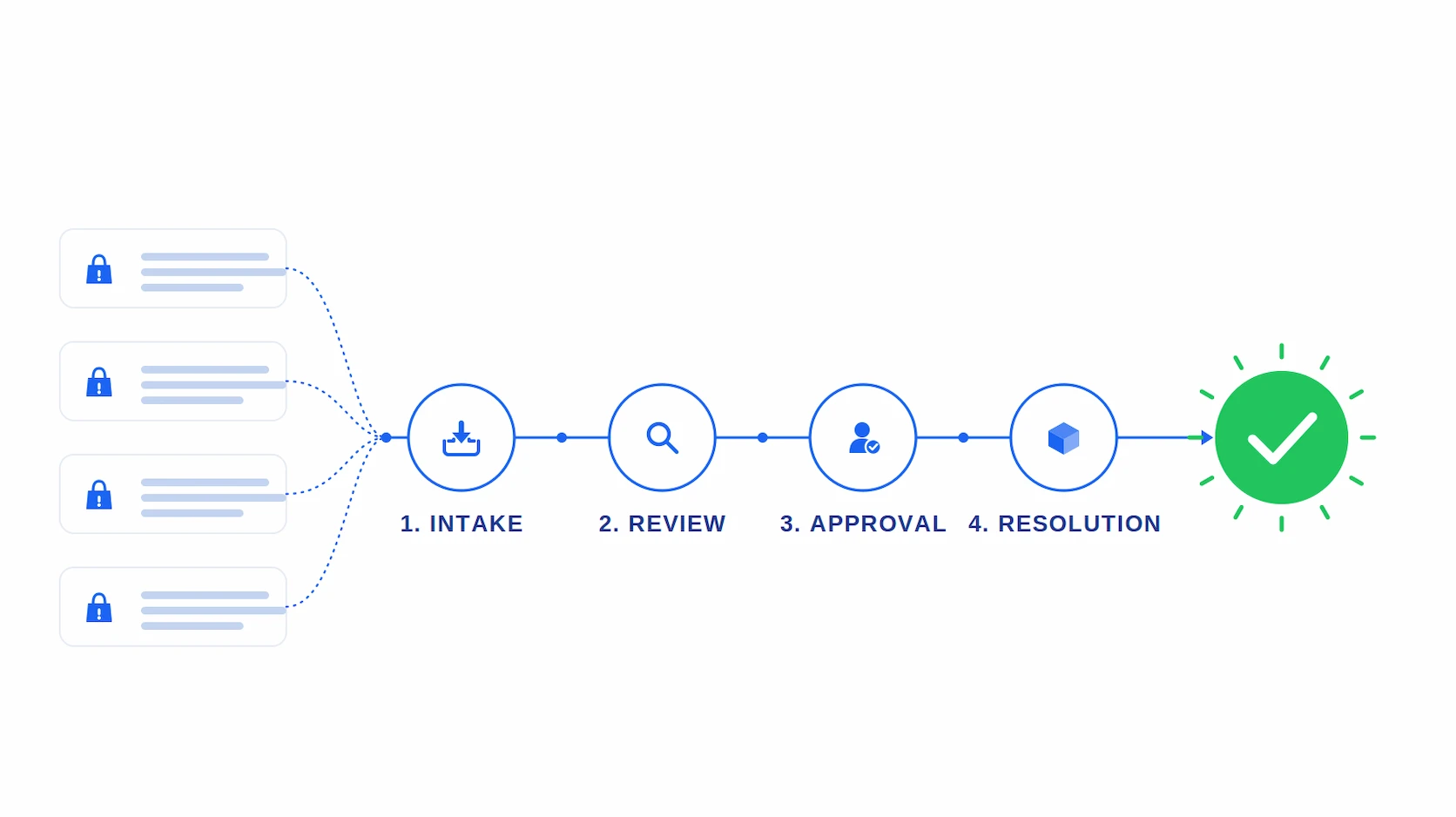
Once the workflow was orchestrated through sSuite, a complaint can no longer go astray. The system automatically knows where it goes, who is responsible, and how much time there is to resolve it. If a deadline is missed, the manager gets notified — no need to ask and wait for Petar’s report. The result: errors eliminated, deadlines met, and customers who get feedback on time.
This isn’t speeding up the old way of working. It’s a change in architecture.
The solution isn't replacing Petar — it's freeing him up
The goal isn’t to get rid of Petar. The goal is for everything Petar knows to stop being his personal secret and become the company’s property.
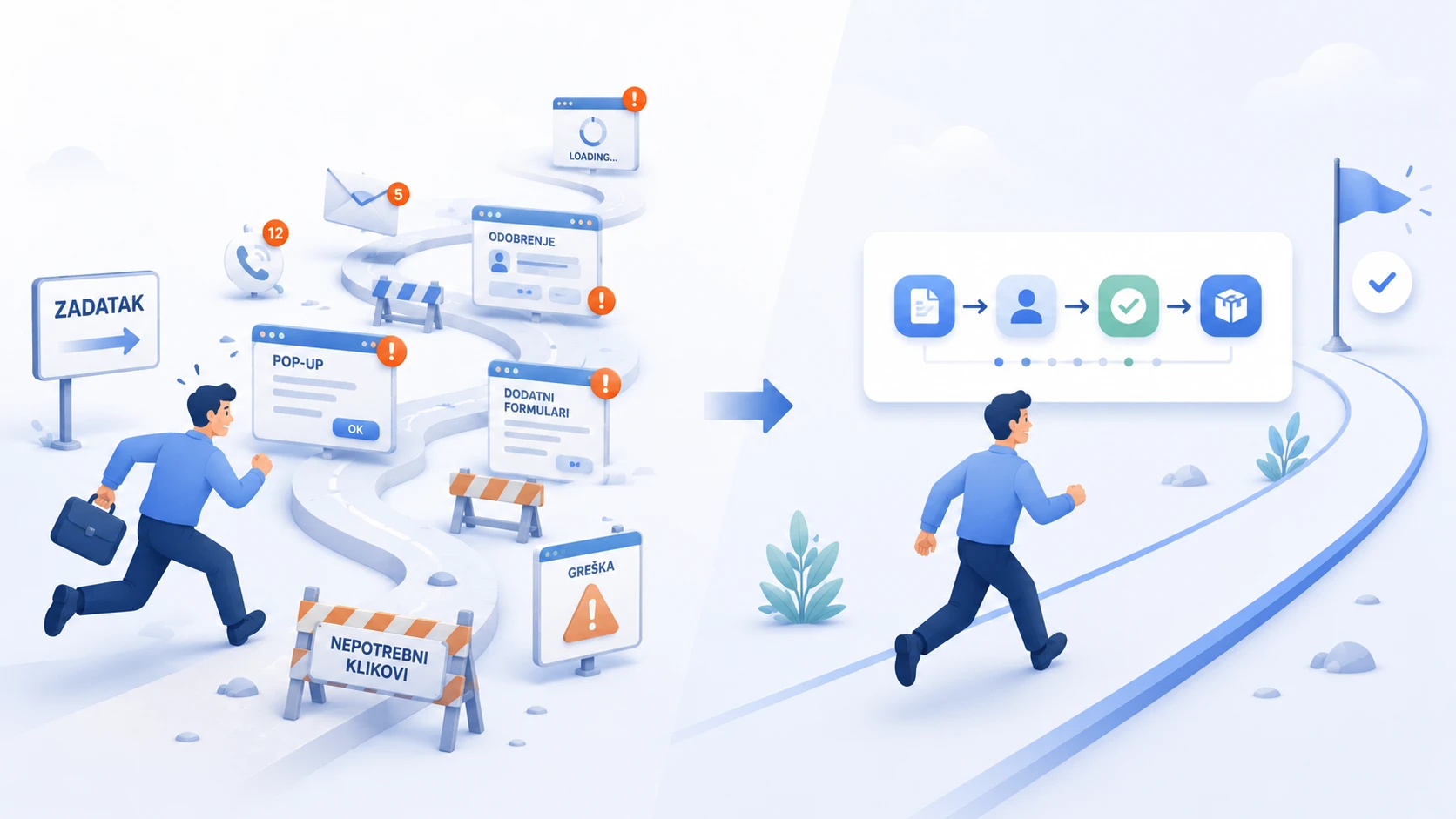
When the operational process is orchestrated through sSuite, every step gets a clear owner, a deadline, and an escalation rule. Information doesn’t travel by email or Viber — the system routes it automatically, and the manager doesn’t wait for Petar to call, but sees the status in real time, with no middleman.
And Petar? He can finally take his vacation without a guilty conscience. And when he comes back, instead of putting out fires he can do the one thing only he can: spot the opportunities the system doesn’t see yet, and build what the company will need tomorrow but today doesn’t even have the capacity to imagine.
When the operational process is orchestrated through sSuite, every step gets a clear owner, a deadline, and an escalation rule. Information doesn’t travel by email or Viber — the system routes it automatically, and the manager doesn’t wait for Petar to call, but sees the status in real time, with no middleman.
And Petar? He can finally take his vacation without a guilty conscience. And when he comes back, instead of putting out fires he can do the one thing only he can: spot the opportunities the system doesn’t see yet, and build what the company will need tomorrow but today doesn’t even have the capacity to imagine.
One concrete test
Ask yourself one question: if your most important operations person resigns tomorrow, what happens the day after?
If you can’t answer that calmly, your operations depend on a person, not on a system. And that’s a problem that won’t go away on its own — it will only get more expensive as the company grows.
Contact Sistemiv for a demo of the platform and solutions, and find out how to close your operational gaps before the next departure exposes them.
If you can’t answer that calmly, your operations depend on a person, not on a system. And that’s a problem that won’t go away on its own — it will only get more expensive as the company grows.
Contact Sistemiv for a demo of the platform and solutions, and find out how to close your operational gaps before the next departure exposes them.