It’s the last day of the month, the pressure is at its peak, and your head of procurement has the new, expensively bought management software open on the left monitor, while on the right they’re hurriedly filling in an ancient Excel spreadsheet. Six months ago, you convinced the board that implementing this central system would dramatically speed up the work of the entire company.
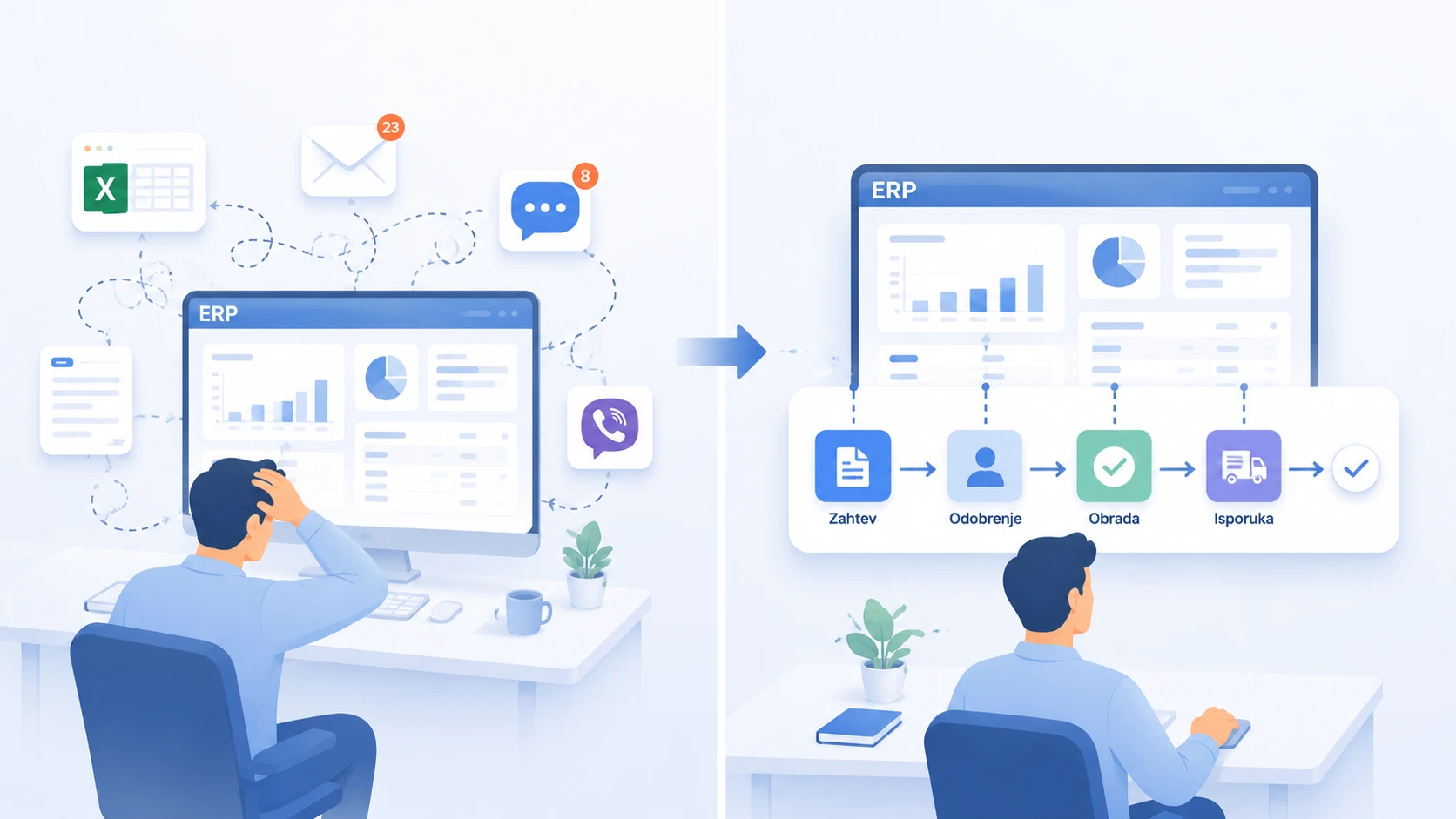
Instead, your operations people are still manually copying item codes from one screen to another, because the integration with suppliers doesn’t allow any deviation. When an urgent approval is needed from the finance department, no one clicks a button in the app. The head of procurement writes an email, then calls a colleague on her personal phone to ask her to open that email as soon as possible so the goods can head out to the customer.
At the regular meeting, the operations director reports that the expected benefits of the new system still aren’t visible in day-to-day work. Instead of speeding up the process, the team is still using parallel manual steps to get the job done. You listen to the reports and realize the new tool hasn’t yet delivered the operational efficiency you expected — in certain parts of the process, it has actually added more complexity.
Instead, your operations people are still manually copying item codes from one screen to another, because the integration with suppliers doesn’t allow any deviation. When an urgent approval is needed from the finance department, no one clicks a button in the app. The head of procurement writes an email, then calls a colleague on her personal phone to ask her to open that email as soon as possible so the goods can head out to the customer.
At the regular meeting, the operations director reports that the expected benefits of the new system still aren’t visible in day-to-day work. Instead of speeding up the process, the team is still using parallel manual steps to get the job done. You listen to the reports and realize the new tool hasn’t yet delivered the operational efficiency you expected — in certain parts of the process, it has actually added more complexity.
Why your team boycotts expensive tech solutions
When an operations team struggles to adopt a new technology, senior management often attributes it to a lack of training or resistance to change. In practice, the most common reason is fear of changing an established way of working and the uncertainty that new rules bring to everyday processes.
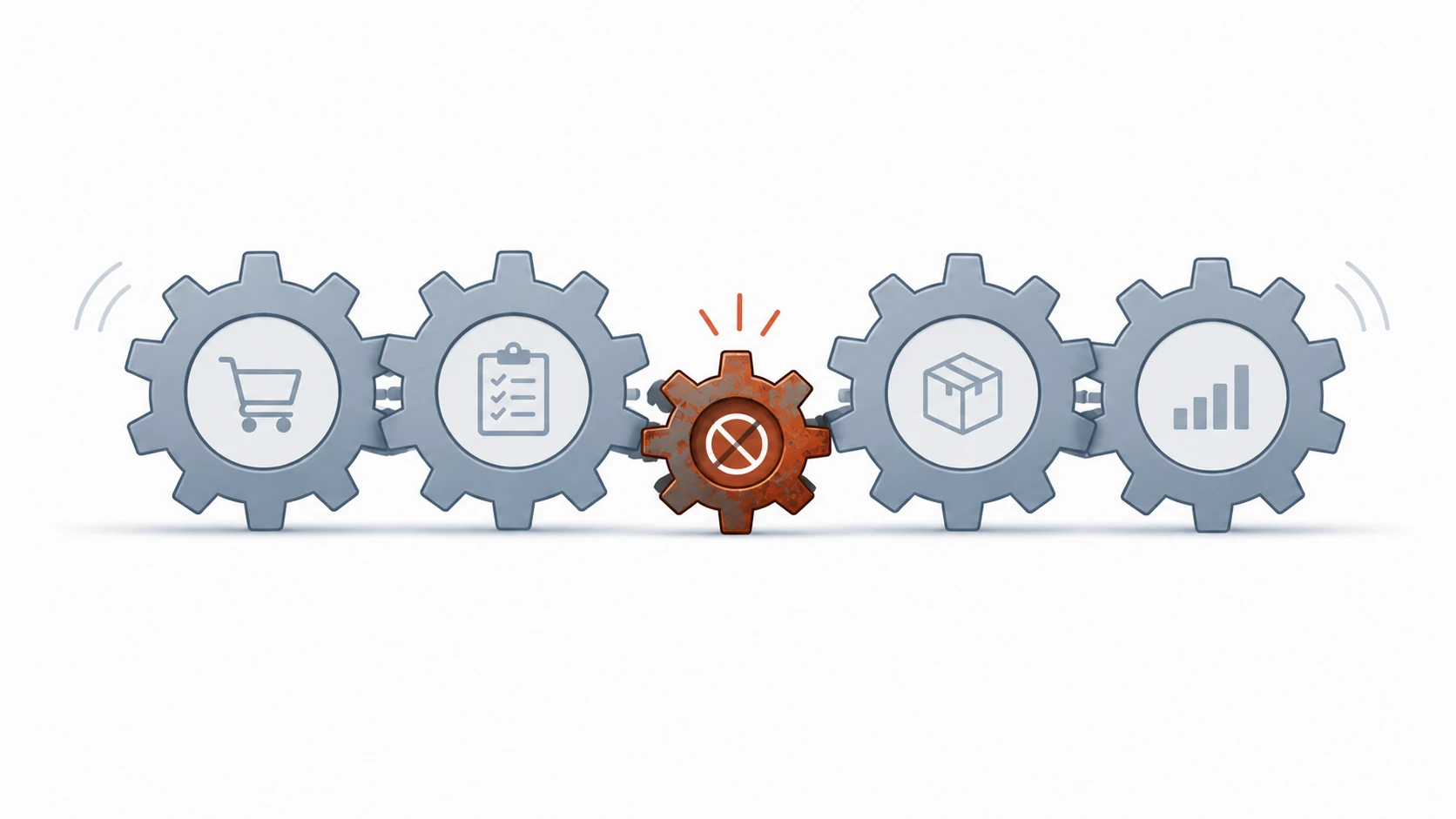
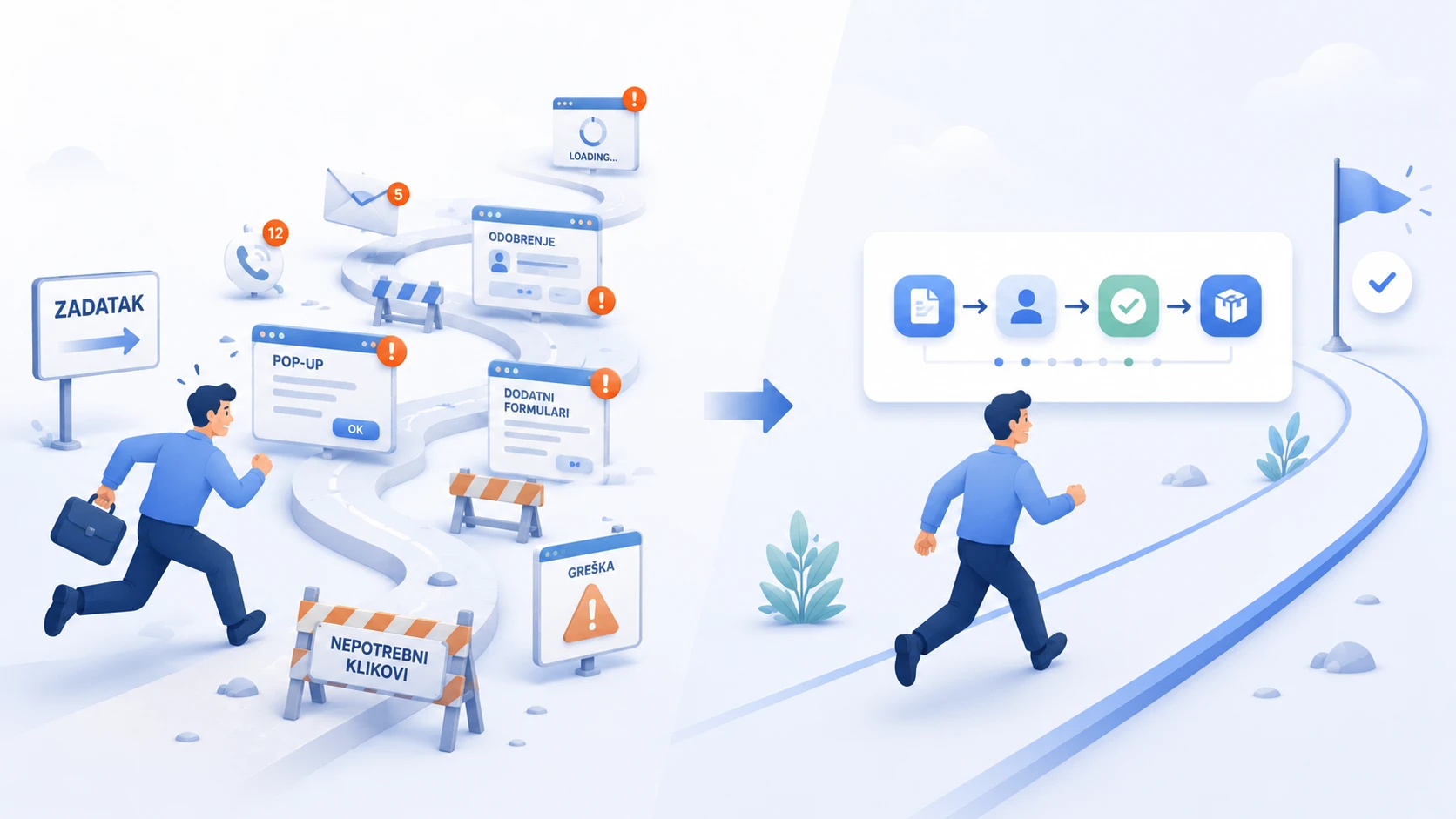
The problem deepens when a software solution imposes rigid steps that don’t match the company’s real operational logic. If the system doesn’t recognize exceptions and the specific situations of real business, employees very quickly find alternative ways of working outside it. Your business digitalization hits an invisible wall, because you bought a tool that tries to adapt people to itself, instead of having the architecture adapt to the way your company operates and communicates with clients.
If your process for handling a complex complaint actually involves negotiations with an authorized service center, a damage assessment, and additional approval from the legal department, but the software only offers “accepted” and “rejected” buttons, your workers have no choice but to step outside the system. They’ll solve the problem where they can — on paper, or in unwieldy email threads. The operations person isn’t lazy; they’re simply choosing the path of least resistance so the customer gets their goods on time.
This approach creates dangerous silos of information. The owner thinks they have insight into the company because they’re looking at tidy reports, while the real work is happening in the private notebooks of the shift manager. The IT department, meanwhile, defends itself with the fact that the system technically works, but it doesn’t have the capacity to rewrite code every day to keep up with market dynamics — so employees are left to fend for themselves in a sea of unnecessary clicks.
The problem deepens when a software solution imposes rigid steps that don’t match the company’s real operational logic. If the system doesn’t recognize exceptions and the specific situations of real business, employees very quickly find alternative ways of working outside it. Your business digitalization hits an invisible wall, because you bought a tool that tries to adapt people to itself, instead of having the architecture adapt to the way your company operates and communicates with clients.
If your process for handling a complex complaint actually involves negotiations with an authorized service center, a damage assessment, and additional approval from the legal department, but the software only offers “accepted” and “rejected” buttons, your workers have no choice but to step outside the system. They’ll solve the problem where they can — on paper, or in unwieldy email threads. The operations person isn’t lazy; they’re simply choosing the path of least resistance so the customer gets their goods on time.
This approach creates dangerous silos of information. The owner thinks they have insight into the company because they’re looking at tidy reports, while the real work is happening in the private notebooks of the shift manager. The IT department, meanwhile, defends itself with the fact that the system technically works, but it doesn’t have the capacity to rewrite code every day to keep up with market dynamics — so employees are left to fend for themselves in a sea of unnecessary clicks.
Technology that serves operations, not the other way around
Real progress doesn’t happen when a team simply relocates its existing way of working into new software. The key lies in re-engineering the process — modeling, mapping, and looking at it end-to-end, so that the points for improvement become clearly visible. Only then can the architecture deliver full transparency and eliminate unnecessary manual steps.
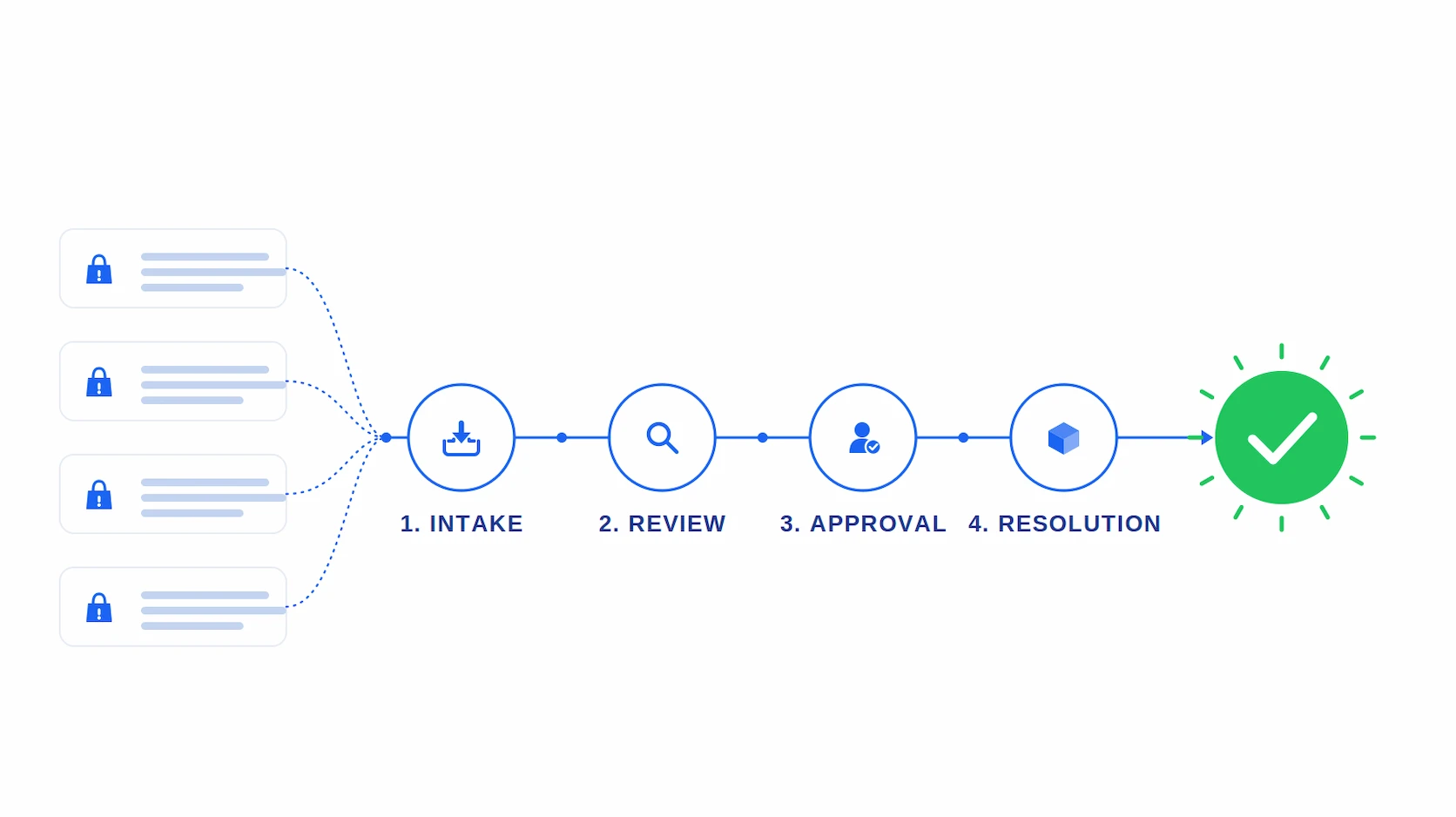
Imagine a situation where that same head of procurement receives a request for an urgent, out-of-the-ordinary delivery. Instead of copying codes into three separate databases and sending emails, they enter the data in just one place. In the background, the system instantly recognizes that the order’s value exceeds the permitted limit, generates a request, and sends it to the right person in finance — with a clear two-hour deadline for approval.
If the approval doesn’t arrive in time, the notification automatically escalates to a higher level of management, without a single phone call. When you eliminate the need for people to memorize complex procedures and manually push information across departments, resistance to the technology disappears. The worker no longer wastes time servicing a clunky interface; instead, the system serves them as an invisible assistant that takes over routine communication and error checking.
Imagine a situation where that same head of procurement receives a request for an urgent, out-of-the-ordinary delivery. Instead of copying codes into three separate databases and sending emails, they enter the data in just one place. In the background, the system instantly recognizes that the order’s value exceeds the permitted limit, generates a request, and sends it to the right person in finance — with a clear two-hour deadline for approval.
If the approval doesn’t arrive in time, the notification automatically escalates to a higher level of management, without a single phone call. When you eliminate the need for people to memorize complex procedures and manually push information across departments, resistance to the technology disappears. The worker no longer wastes time servicing a clunky interface; instead, the system serves them as an invisible assistant that takes over routine communication and error checking.
Agility as the only answer to rigid systems
This is the crucial moment where the line is drawn between frustrating software and real operational improvement. This is where a no-code business orchestration platform comes in — a solution that eliminates the dependence on endless programming work.
With sSuite solutions, the IT department isn’t burdened every time a regulation changes or the company decides to alter its internal returns policy. sSuite places an agile layer directly on top of your existing applications, software, or platforms, allowing business teams to design, adjust, and test workflows themselves through a visual interface, without writing code.
If the operations director decides tomorrow morning that returning a specific category of goods needs one more level of control, that new step can be added to the process flow in a matter of minutes. With sSuite, ePlaneta managed to unify and orchestrate its entire order-processing workflow, so that the automation follows their authentic way of working, rather than the other way around. Delivery speed increased dramatically, and the operations team now has full control over what they’re doing at all times, with no fear of a rigid tool holding them back.
With sSuite solutions, the IT department isn’t burdened every time a regulation changes or the company decides to alter its internal returns policy. sSuite places an agile layer directly on top of your existing applications, software, or platforms, allowing business teams to design, adjust, and test workflows themselves through a visual interface, without writing code.
If the operations director decides tomorrow morning that returning a specific category of goods needs one more level of control, that new step can be added to the process flow in a matter of minutes. With sSuite, ePlaneta managed to unify and orchestrate its entire order-processing workflow, so that the automation follows their authentic way of working, rather than the other way around. Delivery speed increased dramatically, and the operations team now has full control over what they’re doing at all times, with no fear of a rigid tool holding them back.
Software that works for you, not you for it
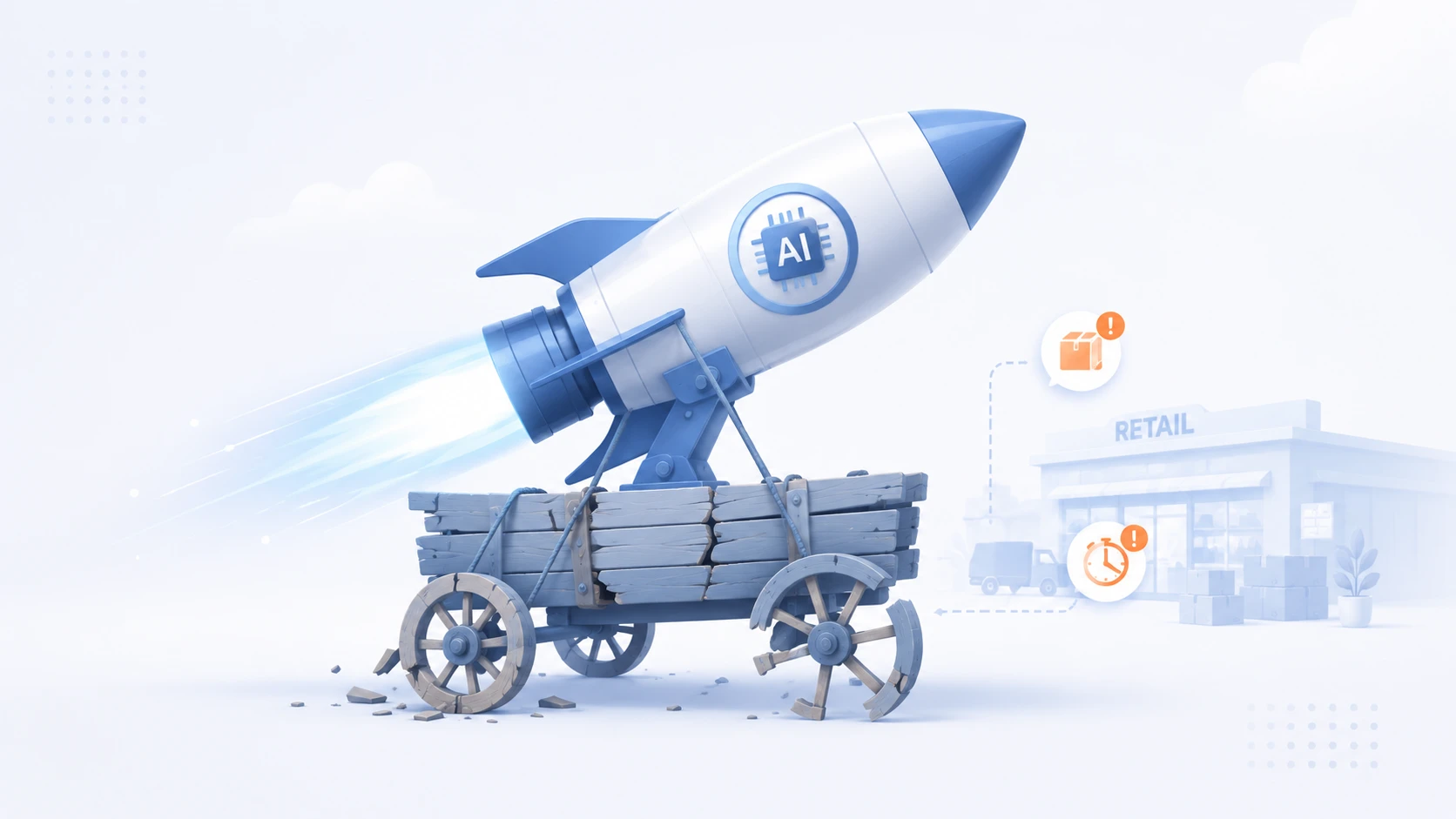
Software that requires months of persuasion to actually get used isn’t doing the job you paid so much for. Technology exists to support, standardize, and speed up the real logic of your business — not to force your most experienced people into becoming slow administrators of someone else’s systems.
Healthy business digitalization brings calm to operations, eliminates bottlenecks, and lets workers focus on the essence of their job instead of copying spreadsheets.
Contact Sistemiv for a demo of the platform and solutions and find out how to permanently eliminate the systemic slowdowns affecting your employees before they directly threaten your profit.
Healthy business digitalization brings calm to operations, eliminates bottlenecks, and lets workers focus on the essence of their job instead of copying spreadsheets.
Contact Sistemiv for a demo of the platform and solutions and find out how to permanently eliminate the systemic slowdowns affecting your employees before they directly threaten your profit.