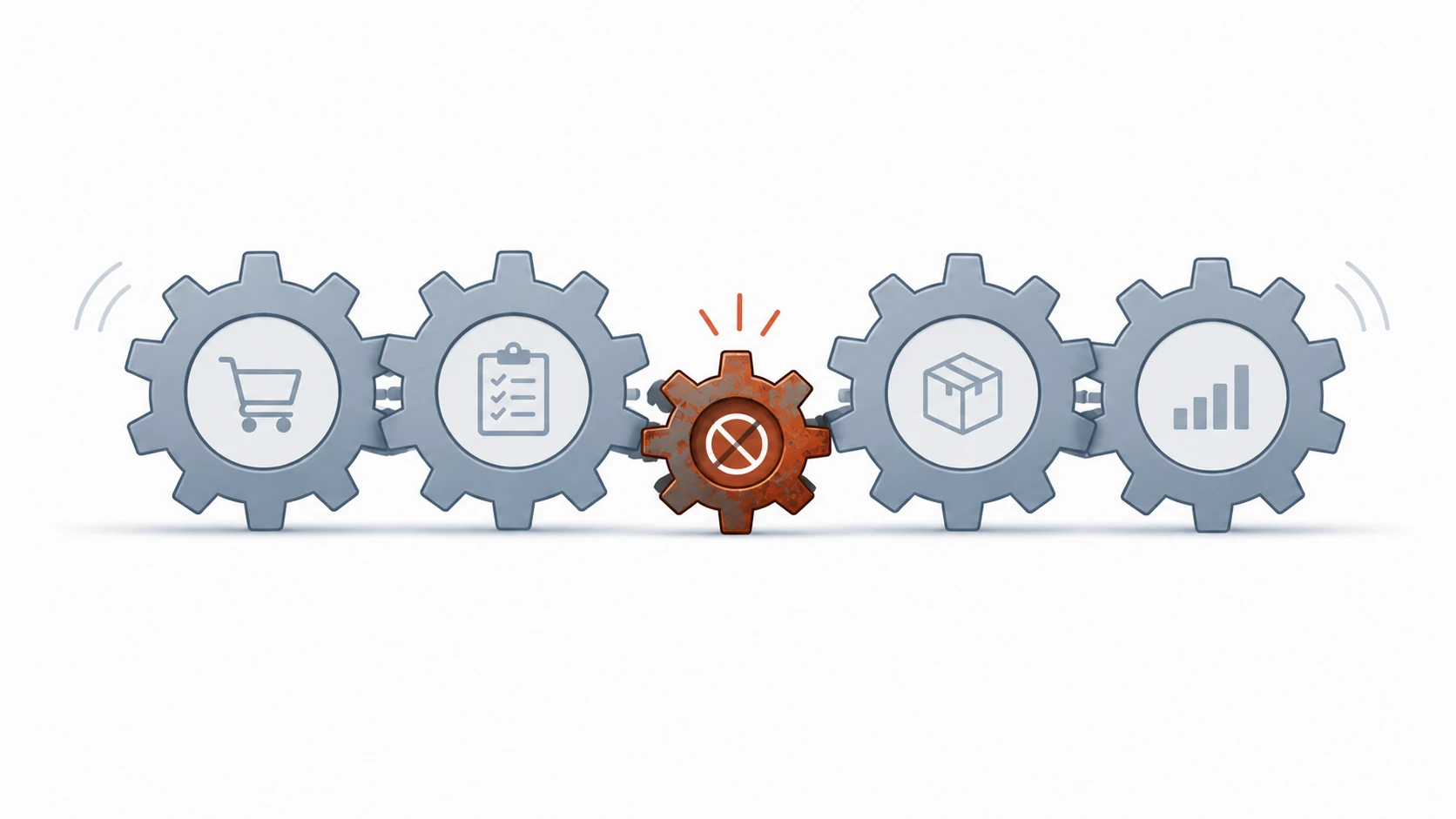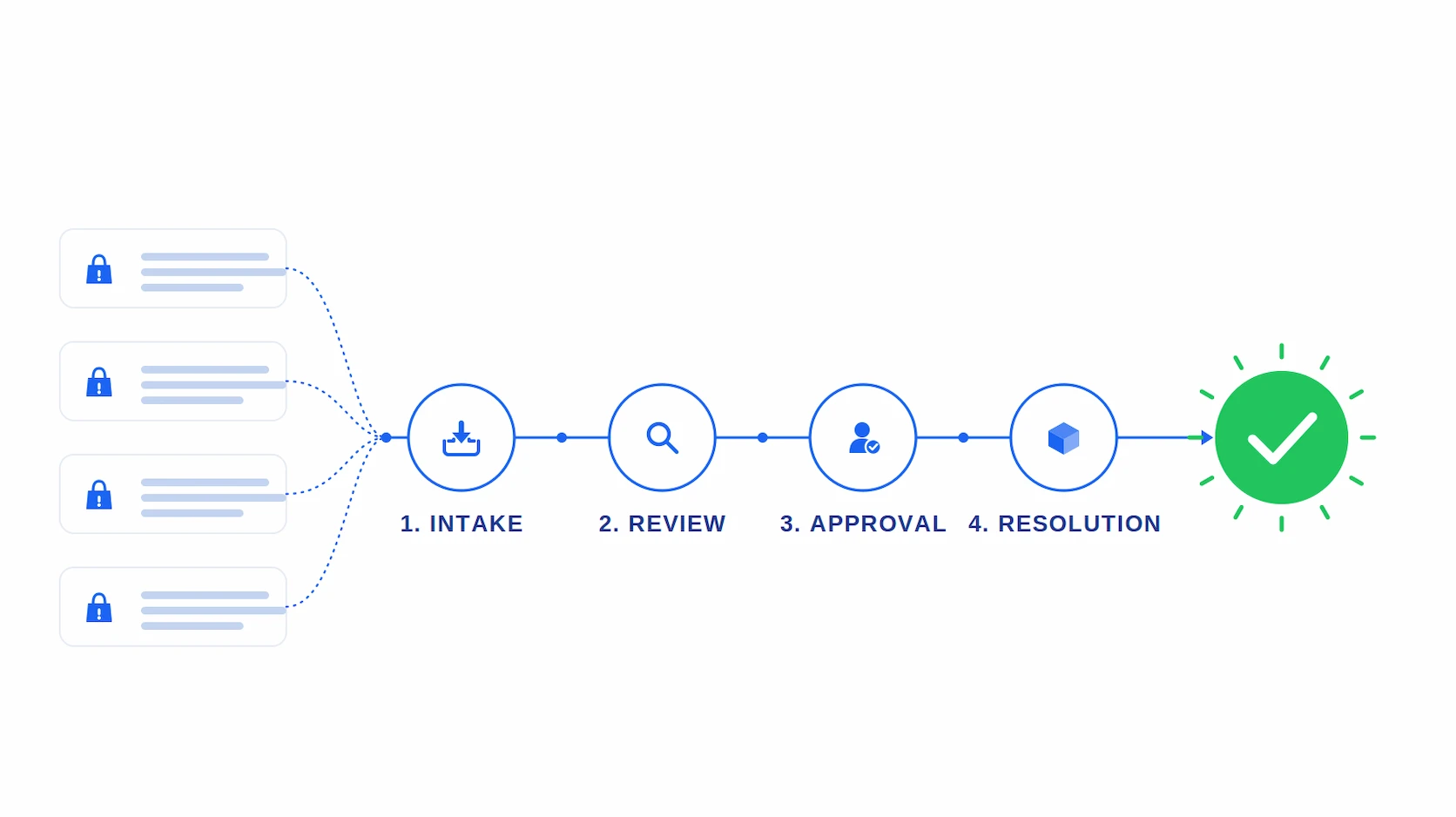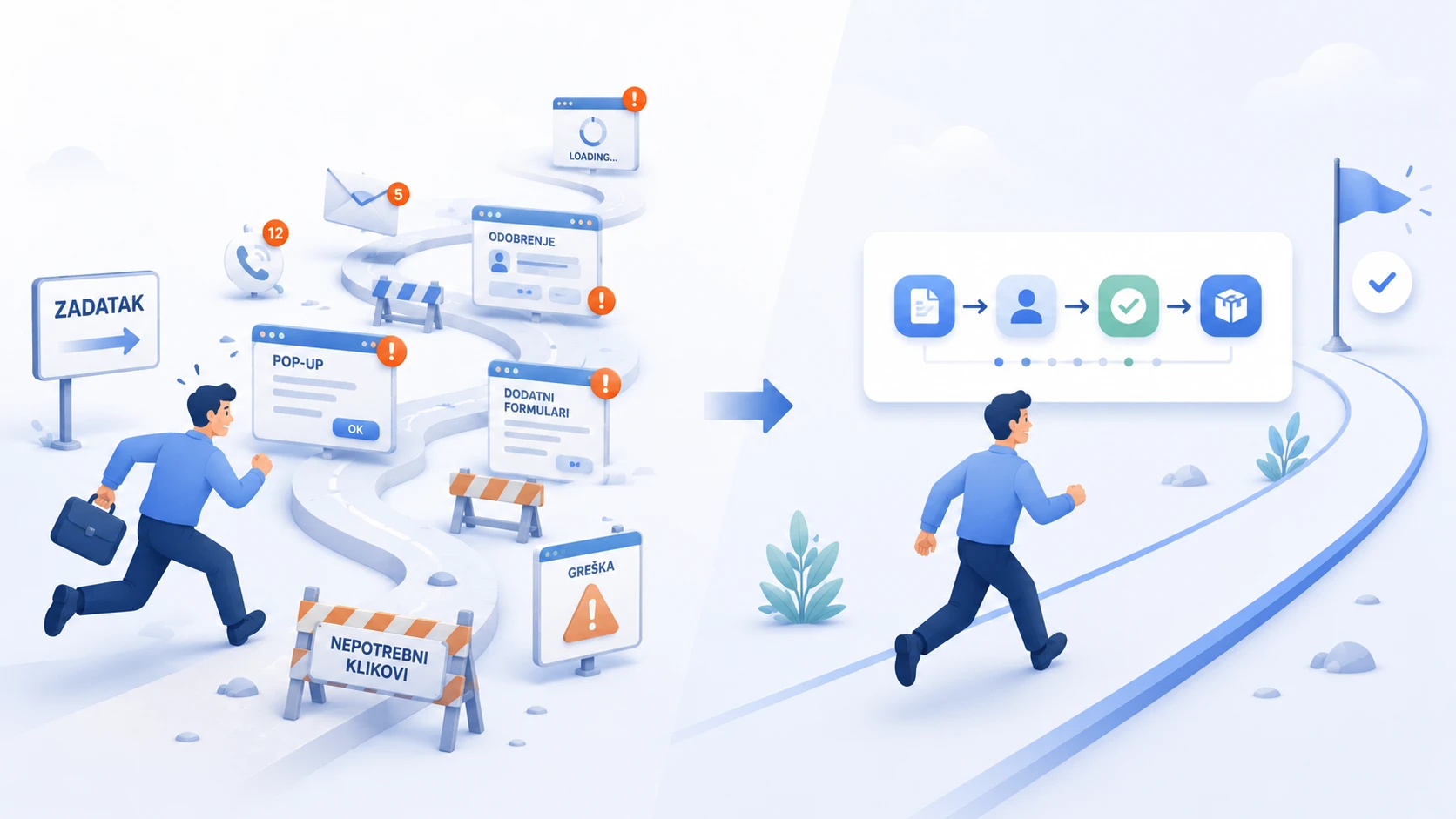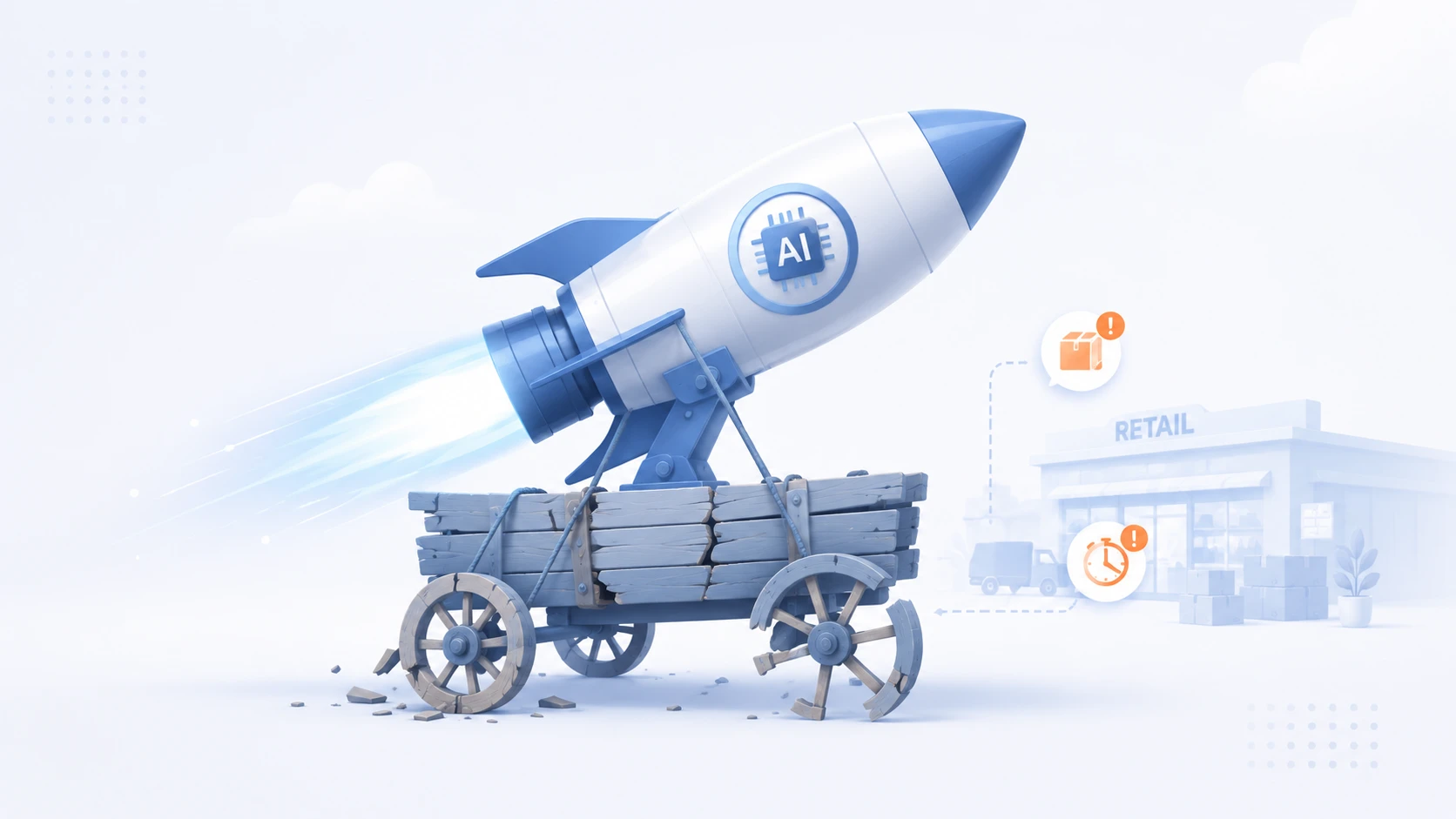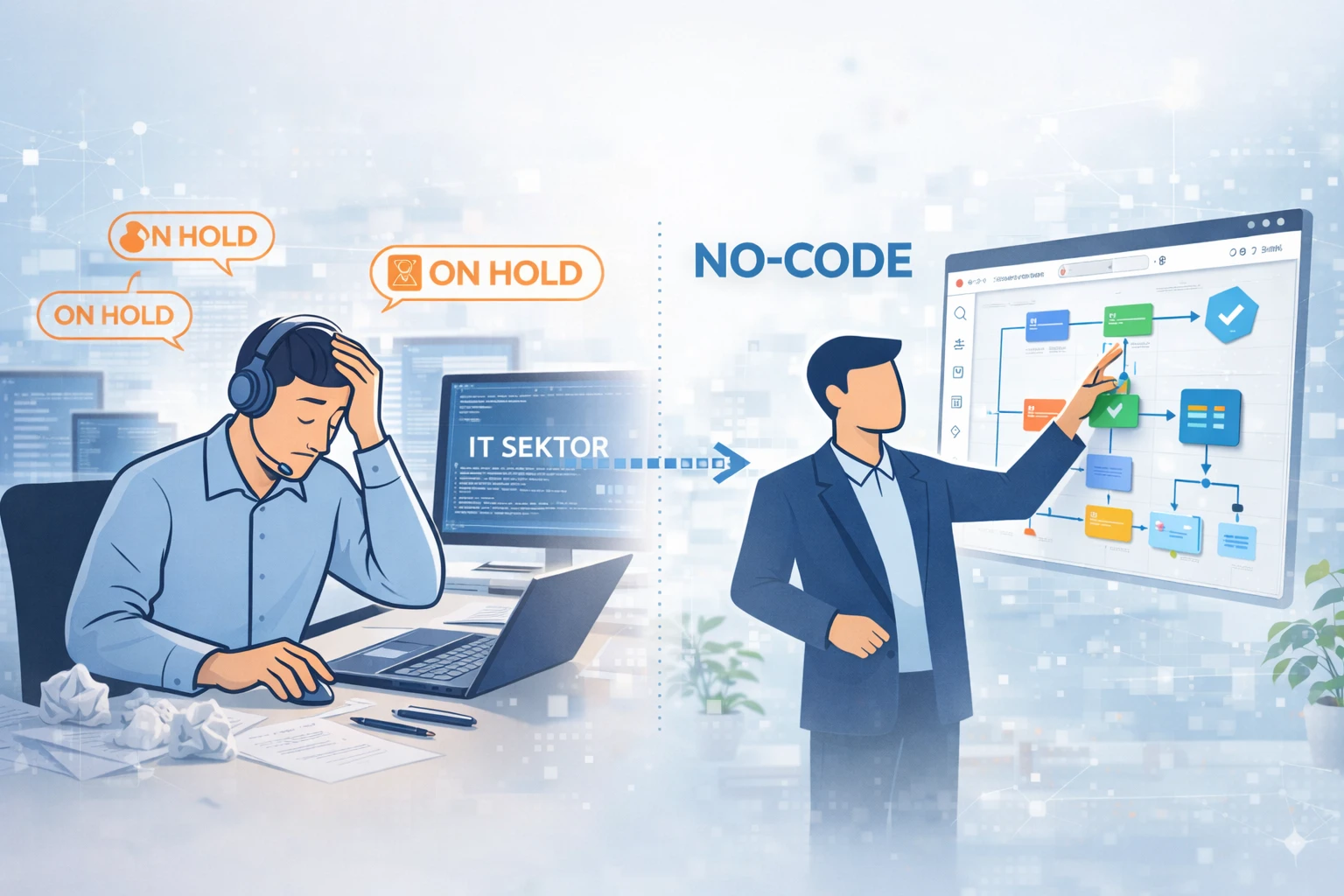
In most modern companies today, the same slowing pattern exists. Business teams on the ground identify an urgent need for change within a process, but that change ends up at the bottom of a long IT priority list. While waiting for an available developer slot, the market relentlessly shifts, opportunities pass, and operational teams remain stuck in outdated procedures that suppress productivity.
Modern businesses can no longer afford this type of dependency. Unfortunately, digital transformation is often misunderstood as a project that “IT handles,” while the truth is that the business must lead the change. Technology should be a tool that enables the business vision — not a barrier that slows it down.
Modern businesses can no longer afford this type of dependency. Unfortunately, digital transformation is often misunderstood as a project that “IT handles,” while the truth is that the business must lead the change. Technology should be a tool that enables the business vision — not a barrier that slows it down.
The Myth That Every Change Is Exclusively an IT Project
For years, the corporate world has operated under the belief that every workflow modification — from introducing a new approval step for travel expenses to changing the logic of order processing — is exclusively a complex programming task. This belief creates a classic bottleneck where an overloaded IT team unintentionally slows down the entire company’s development. Developers become buried under hundreds of minor requests while strategic projects remain stalled.
Through the development of our
business process automation platform
called sSuite, we have demonstrated that this cycle can and must be broken. The solution that changes the rules lies in the no-code and low-code approach. This means operational managers — the people who best understand daily challenges and know how work should actually function — gain the power to model and modify processes themselves without writing a single line of code.
Freeing the IT Team for Strategic Tasks
It is important to emphasize that this approach is not directed against the IT department. On the contrary, it promotes partnership. In this model, IT teams are no longer overwhelmed with trivial requests such as changing a single field in a table or adjusting a line in the interface. When the business takes ownership of its process logic, developers gain valuable space and time to focus on serious system architecture, scalability, and security solutions.
This division of responsibility contributes to the overall health of the organization. The IT department stops being the default culprit for delays, and business teams stop feeling powerless in the face of technological barriers.
This division of responsibility contributes to the overall health of the organization. The IT department stops being the default culprit for delays, and business teams stop feeling powerless in the face of technological barriers.
What Does Business Autonomy Look Like in Real Practice?
Imagine a situation in which your complaints or procurement team notices that a specific step in cross-department communication is constantly creating bottlenecks. Instead of sending a ticket and waiting weeks for a system upgrade, the process now looks different:
- Visual modeling: A manager opens an intuitive visual process editor within the sSuite platform.
- Rapid adjustments: They independently adjust rules, change the sequence of steps, or add new conditions in real time.
- Instant implementation: The new, optimized version of the process goes live the same day — without a single coding error.
Power Belongs to Those Who Lead the Business
When a leader sets a clear process framework, the team gains the freedom to be creative where it truly matters, while the system takes care of data and workflows. The primary goal of the sSuite platform, developed by
Sistemiv,
is to ensure that IT stops being a barrier that must be bypassed and becomes a powerful engine that drives the company forward.
Business autonomy enables drastically faster responses to market changes, greater competitiveness, and a system that evolves organically at the same pace as your company grows. Do not allow your business architecture to become a hostage to technological limitations or overloaded IT calendars. Take control back into your hands and empower your teams to work the way they know best.
Business autonomy enables drastically faster responses to market changes, greater competitiveness, and a system that evolves organically at the same pace as your company grows. Do not allow your business architecture to become a hostage to technological limitations or overloaded IT calendars. Take control back into your hands and empower your teams to work the way they know best.