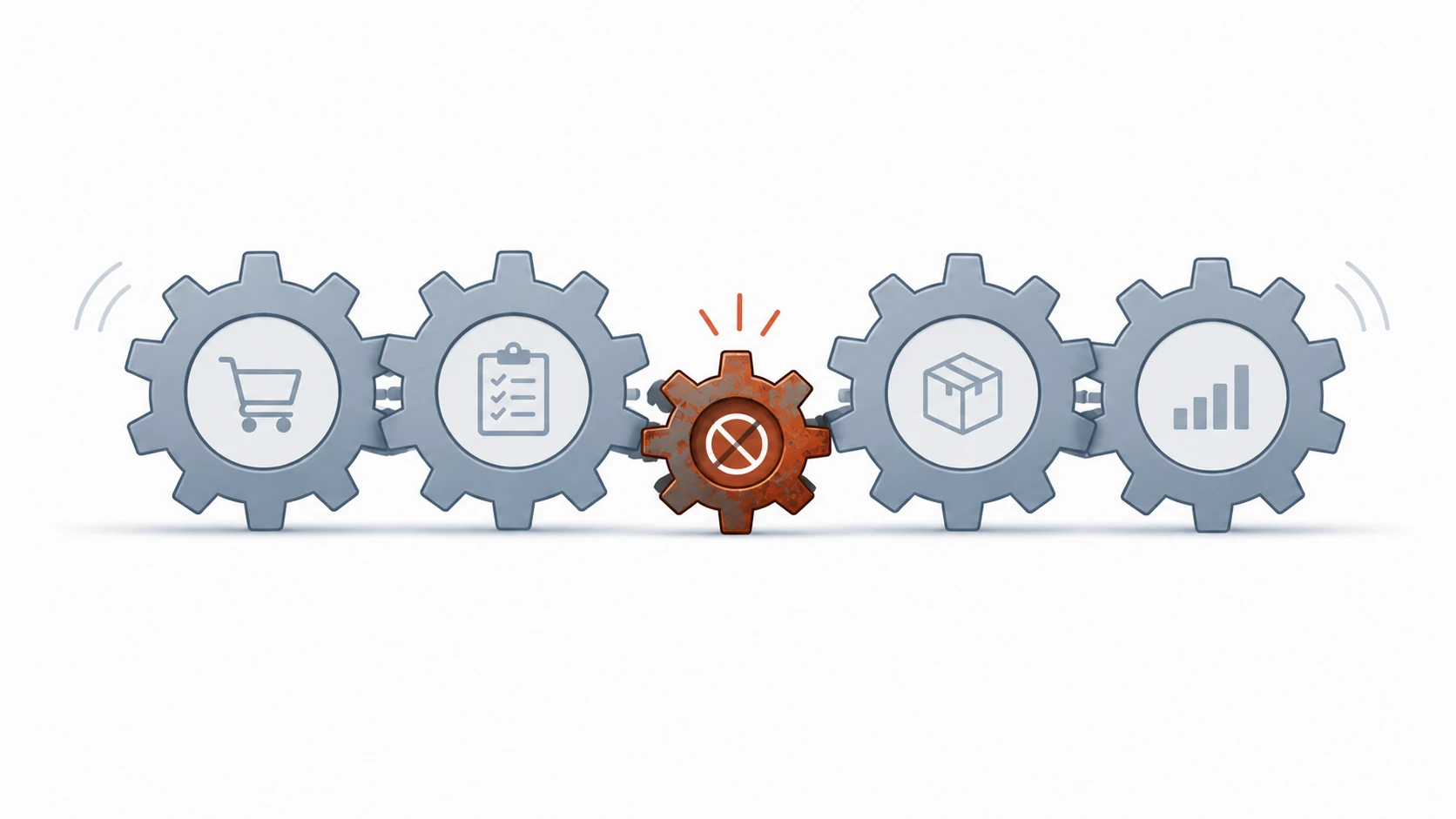
Digital transformation is no longer a matter of choice, it’s a matter of survival. In a world where market conditions change from month to month, an organization’s ability to adapt quickly has become crucial. And while process changes once meant waiting months for IT teams to implement them, more and more companies today recognize a new reality – the business is taking the lead.
Business Takes the Initiative from IT
This is where no-code and low-code platforms come in.
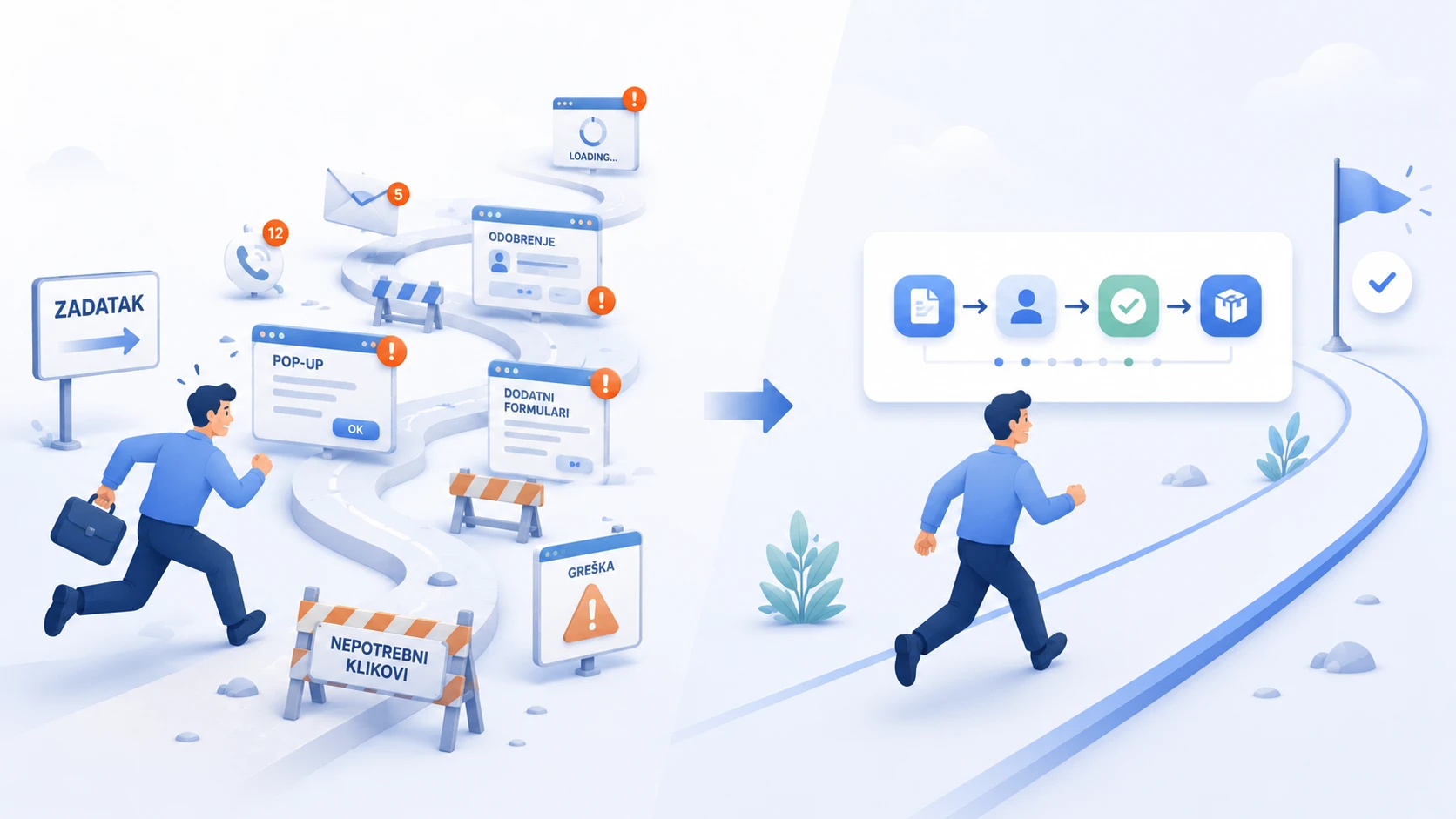
They make it possible to model, test, and optimize business processes without the need for complex programming.In practice, this means that business users, the people who best understand how a process truly works, can adjust it independently, add rules, connect steps, and immediately see the results.
With solutions like sSuite, companies are no longer dependent on long IT roadmaps. Teams can design a change in the morning, test it during the day, and roll it out the very next day. This gives organizations what today’s market demands most: agility and speed of response.
Benefits and Real-World Impact
From No-Code to Orchestration
The advantages of the no-code and low-code approach are numerous:
- Lower development costs: no need to hire additional developers for every change
- Shorter implementation cycles: ideas turn into functional processes within days
- Greater control: business teams manage their own processes and adjust them in real time
- Stronger collaboration between business and IT: IT provides the environment and standards; business uses it as a tool
It’s important to emphasize that no-code and low-code do not mean everyone becomes a programmer. The essence is empowerment. Employees receive a tool that enables them to become innovators, to actively participate in digital transformation rather than waiting for someone else to initiate it.
From No-Code to Orchestration
When all these advantages are integrated into a broader system, the result is business process
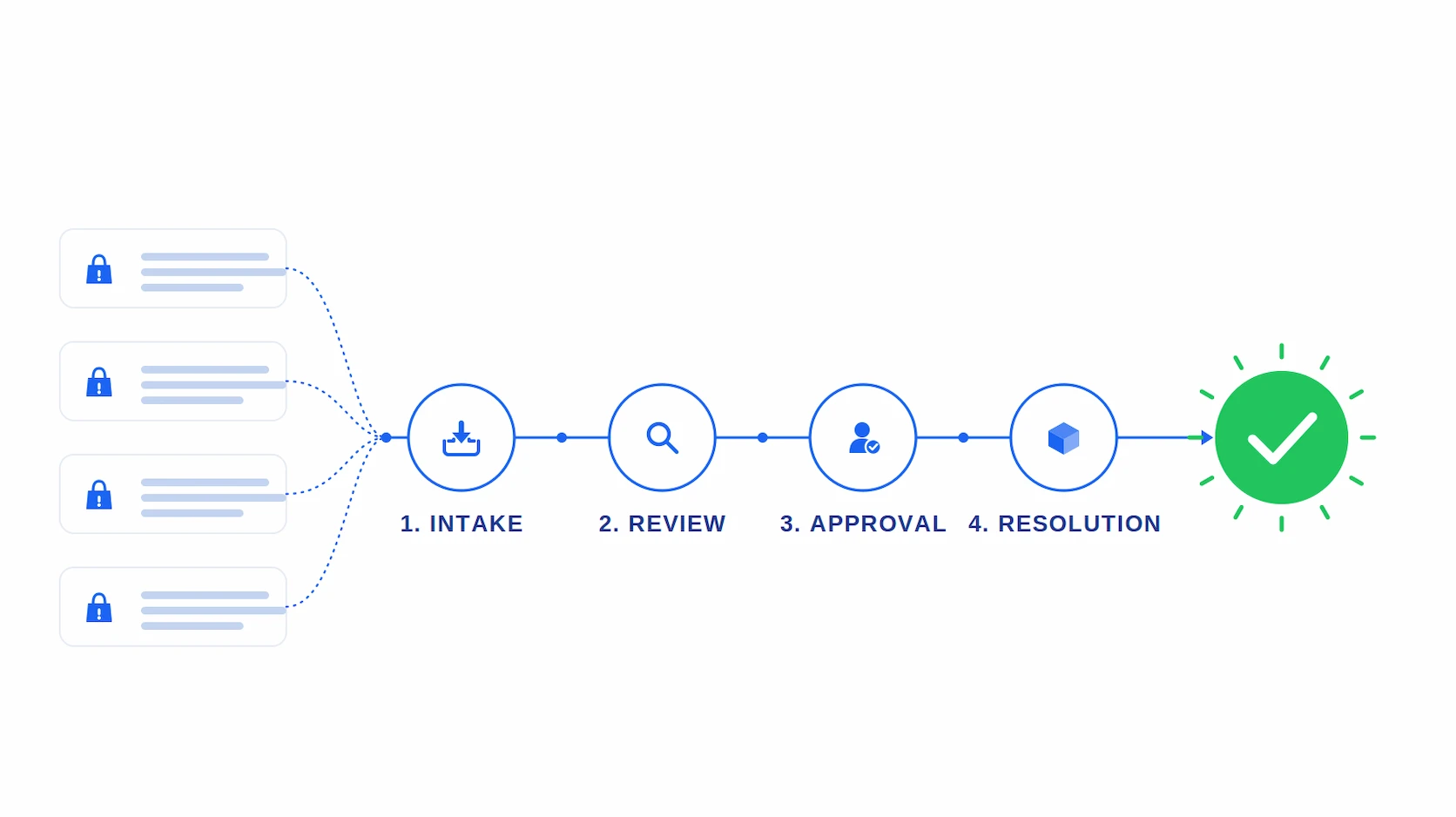
orchestration, the connection of activities, tools, and teams into a single, coherent, measurable workflow.
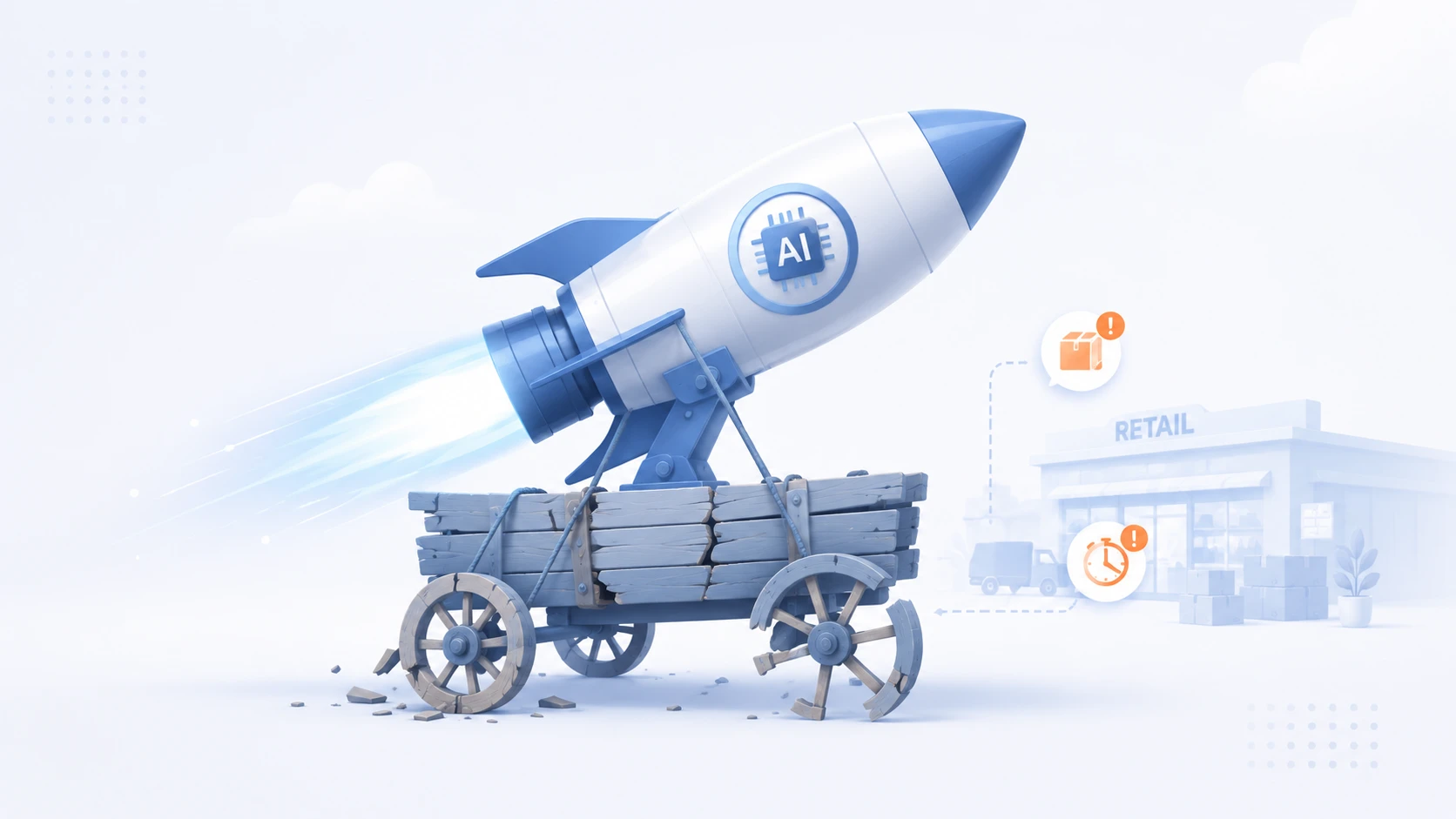
Automation accelerates tasks, but orchestration gives meaning to the entire process. It ensures that every step happens exactly as defined, with no gaps, no duplication, and no errors.
That’s why Sistemiv, through sSuite, offers not merely a technical tool, but a platform that transforms how companies operate.
With a low-code and no-code approach, any organization can innovate quickly, connect teams,
and achieve what was once reserved only for large enterprises: control, efficiency, and sustainable growth.