Automation, Orchestration, and End-to-End Automation: What’s the Difference?

Automation, Orchestration, and End-to-End Automation: What's the Difference?

In the world of business technology, terms like automation, orchestration, and end-to-end automation are often used interchangeably. At first glance they may seem similar, but the differences between them are fundamental. Understanding these distinctions is essential for any company planning a digital transformation.

Automation vs. Orchestration

Automation refers to the process in which repetitive tasks are executed automatically, without human intervention. For example, when an invoice is automatically generated after an order is approved, or when the system sends a notification to a customer. Automation is effective, but it is often limited to a single segment of the business.

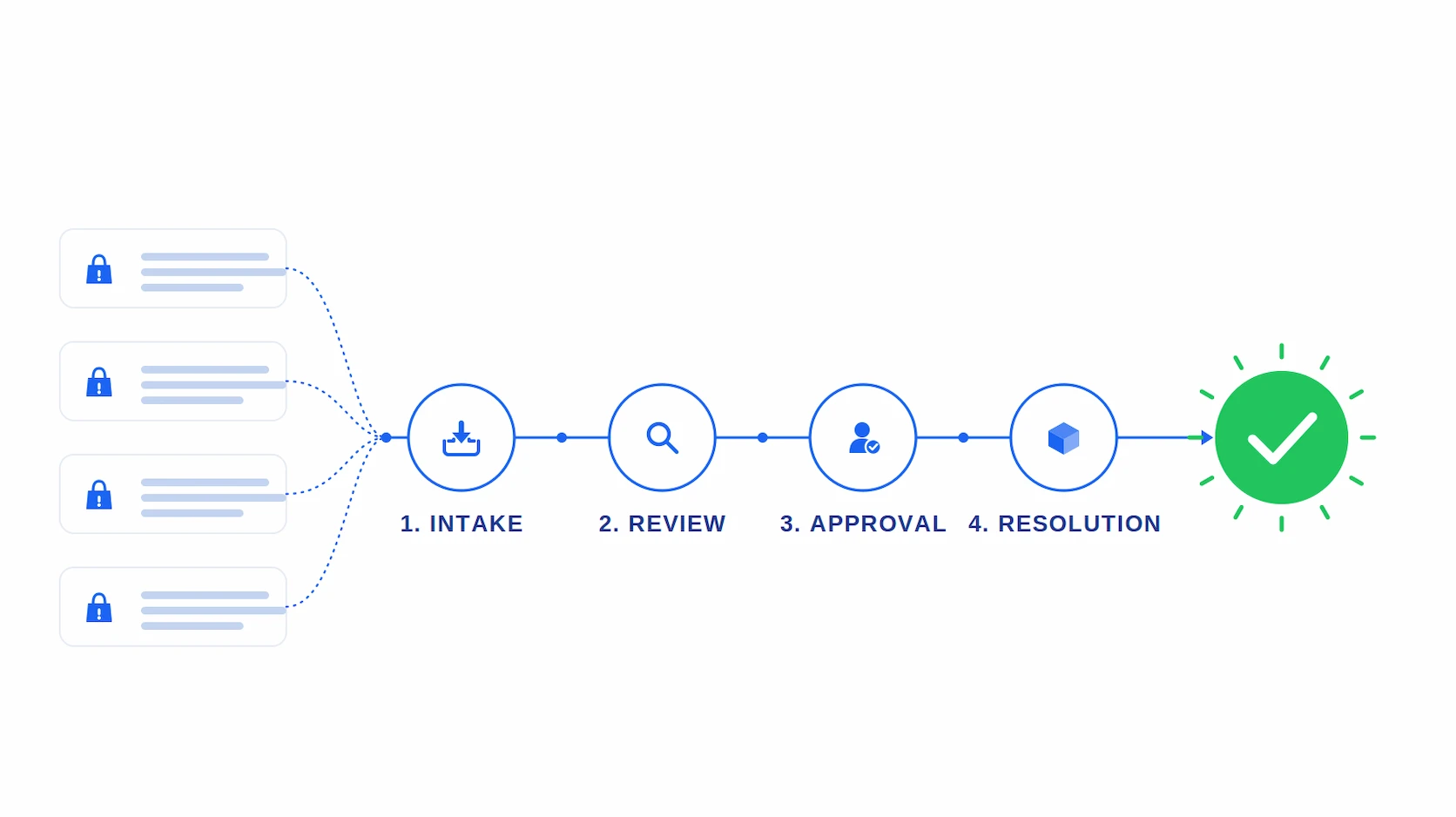
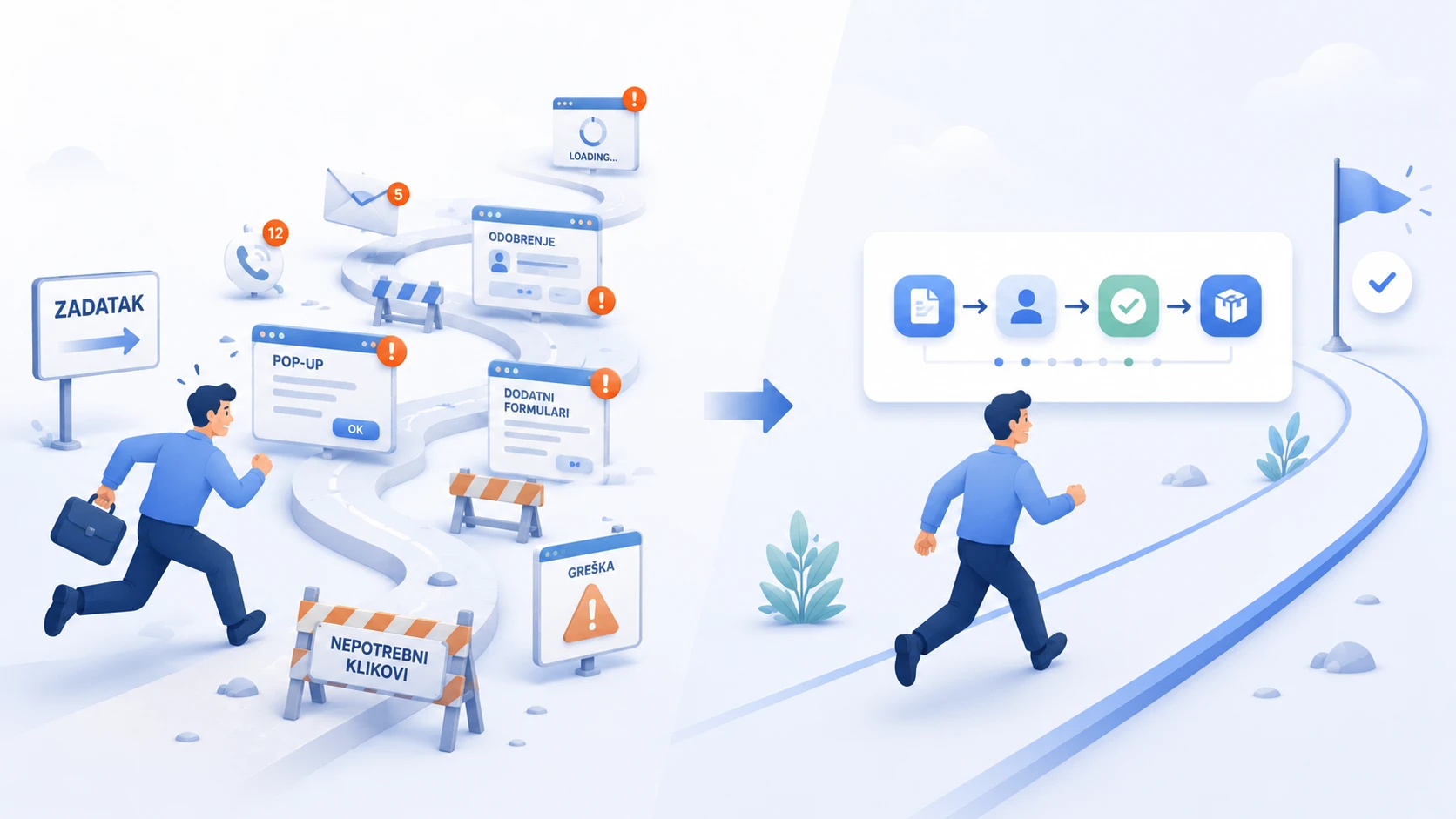
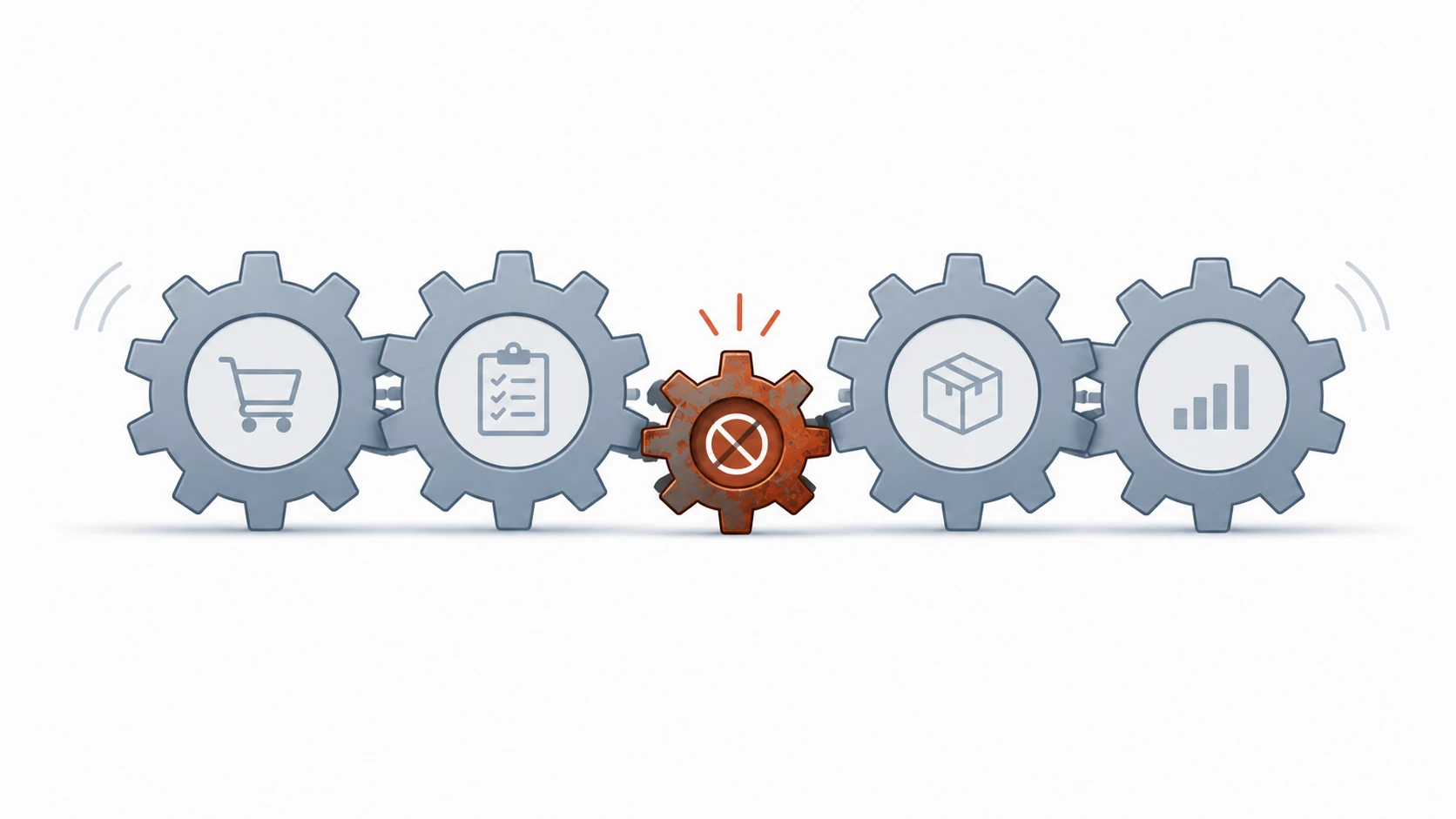
End-to-end automation takes things a step further. It connects multiple automated activities into one logical flow. This means that all tasks are executed sequentially, according to a defined process, with clear control and visibility.
End-to-end automation ensures that the process runs exactly as designed, without improvisation or delays.

Orchestration as the Final Goal

Orchestration represents the next level. It is a state in which the entire process is connected from start to finish.

There are no breaks between systems or departments. All data flows seamlessly, and the process is monitored and optimized in real time.
For example, in a supply chain, automation may handle invoice processing, but orchestration connects all the steps from ordering and approvals to delivery and payment.
This ensures complete coordination between teams and systems.
Orchestration enables a company not only to accelerate operations but also to gain a full picture of its business.
Employees have access to all relevant information, managers can see where bottlenecks occur, and decisions are made based on accurate, real-time data.

Why sSuite Is the Right Solution for You

Through sSuite, Sistemiv provides exactly that: a platform that allows processes to be defined, connected, and monitored in real time, without additional tools or manual steps.
Automation is the first step.
End-to-end automation gives it meaning.
Orchestration is the final goal. An organization where employees and systems work in a connected, precise, and predictable way.
In modern business, this is no longer a luxury but a requirement for competitiveness. Companies that understand this difference gain a strong advantage because their operations no longer depend on improvisation, but on a clear, orchestrated system.

Related Posts