Business process automation is often presented as a quick and simple solution for all operational challenges. In reality, things are far more complex. Many organizations introduce automation without fully understanding what it truly entails and as a result, the expected outcomes never arrive. To clear up the most frequent misunderstandings, here are the five misconceptions about business automation that deserve to be debunked, along with an explanation of what the correct approach actually looks like.
1. Automation and orchestration are the same thing
This is the most common and the most important misconception. Automation means that a specific task is executed automatically, without human intervention.
For example: sending an email after a request is approved, or automatically generating an invoice.
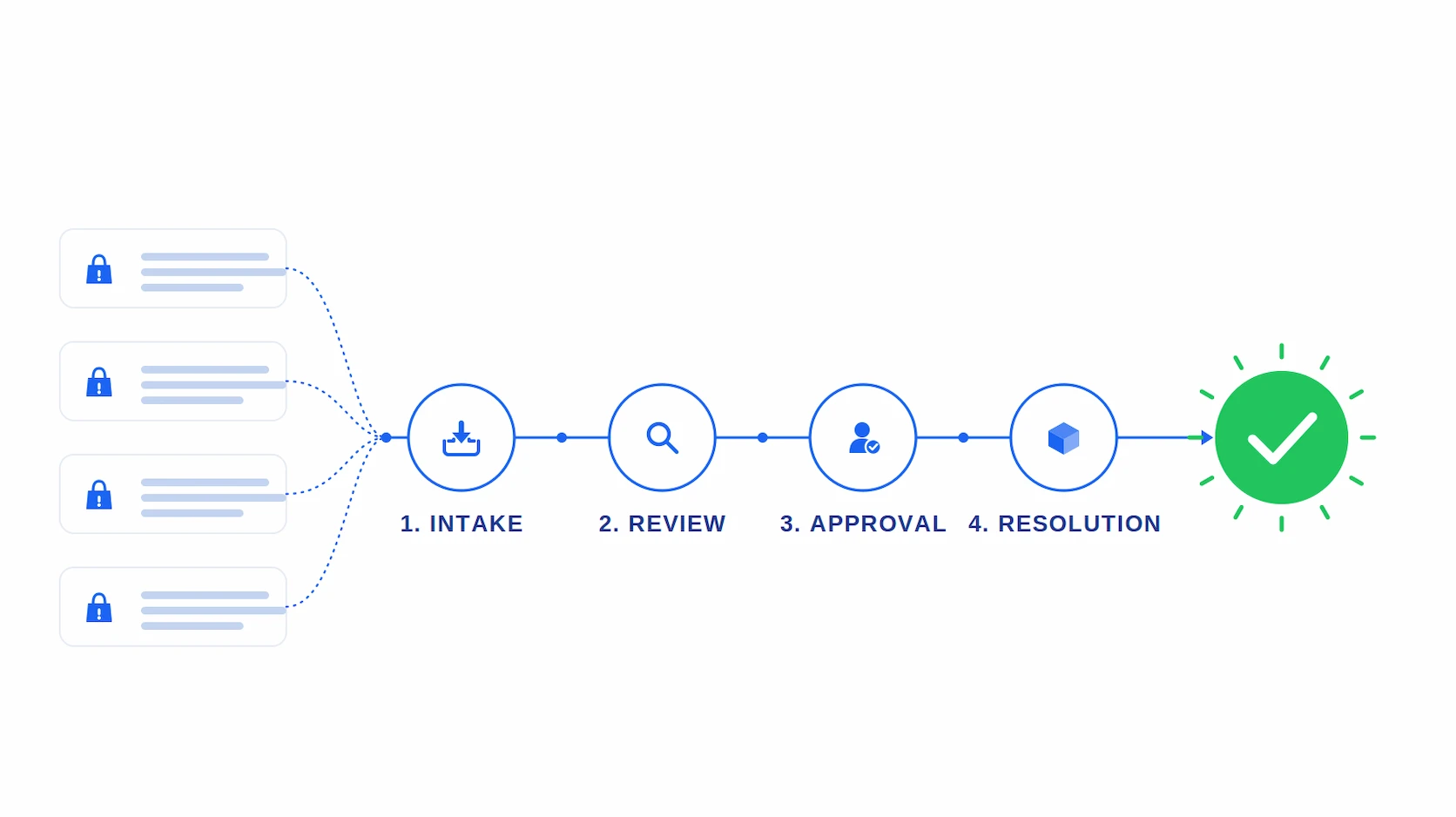
Orchestration, however, goes a step further. It connects those automated tasks into a single, controlled, and measurable workflow.
Without orchestration, automation remains limited to individual actions, often without insight into the bigger picture.
Orchestration enables processes to become connected, transparent, and measurable.
This is exactly what sSuite does: it orchestrates business workflows and allows the company to
operate as one cohesive system.
2. Automation is the responsibility of the IT department
For years, it was believed that automation belonged exclusively to IT. Today, that is no longer the case.
Thanks to no-code and low-code approaches, automation and orchestration can be initiated by
business teams – the people who know the processes best.
business teams – the people who know the processes best.
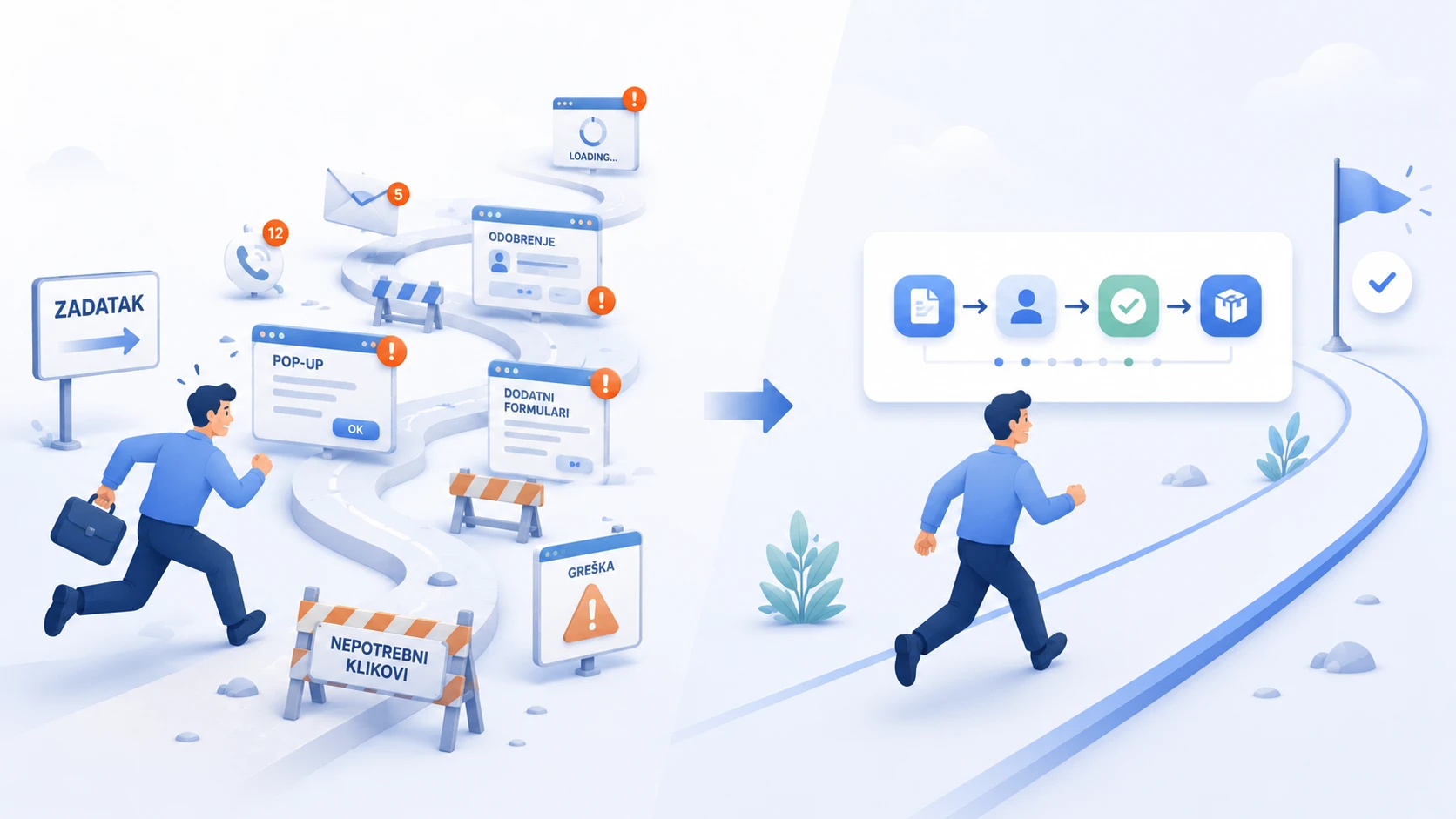
The IT department no longer has to “translate” business needs into technical requirements; processes can now be modeled visually, with clear structure and without any coding.
sSuite enables exactly that: business users create and modify processes, while IT ensures standards and security.
The result? Faster changes and better collaboration across the organization.
3. Automation replaces people
This misconception is still widespread. Automation does not remove people from processes, it removes the repetitive, routine tasks and frees up employees to focus on higher-value activities such as analysis, decision-making, and innovation.
In organizations that apply orchestration, employees have better process visibility, clearer priorities, and more time for tasks that require human judgment.
Automation doesn’t reduce the role of people, it makes it smarter.
4. Automation solves all problems
If a process itself is broken, automation won’t fix it. In fact, it can make mistakes happen faster.
That’s why every successful digitalization begins with analyzing existing processes and modeling them using the BPMN 2.0 standard.
Only after that comes orchestration and automation in tools that can execute that model.
In other words:
Automation is step three. Step one is understanding. Step two is modeling.
This is why we never automate “legacy processes.” Instead, we first help companies define them clearly and only then digitalize them the right way.
5. Automation is a one-time activity
Digital transformation is not a project with a deadline, it’s a constantly evolving process. Automation and orchestration must adapt to changes within the organization and the market.
New products, new sales models, and shifting team structures require flexibility.
Platforms like sSuite make it possible to adjust processes on the fly, without disrupting operations.
This means companies can continuously improve their workflows and measure performance in
real time.
real time.
The real value of automation
The real value of automation doesn’t lie in technology itself, but in the orchestration of business processes that supports it.
When automation, orchestration, and the BPMN 2.0 standard come together in a single platform, as they do in the sSuite environment, the result is an organization that understands its processes, measures them, and continuously improves them.
Automation without orchestration is simply task acceleration. Automation through orchestration is a step toward operational excellence.